Last updated November 23, 2026
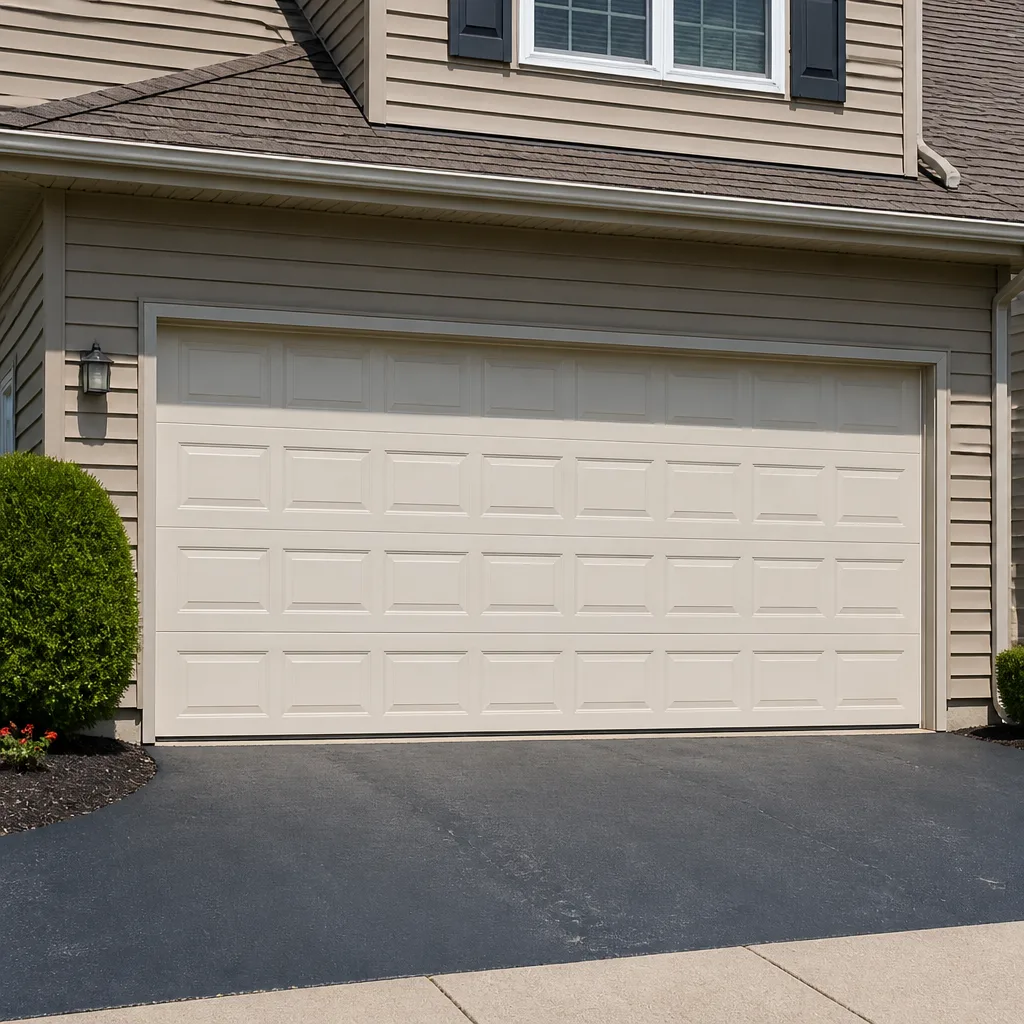 Raised-panel steel
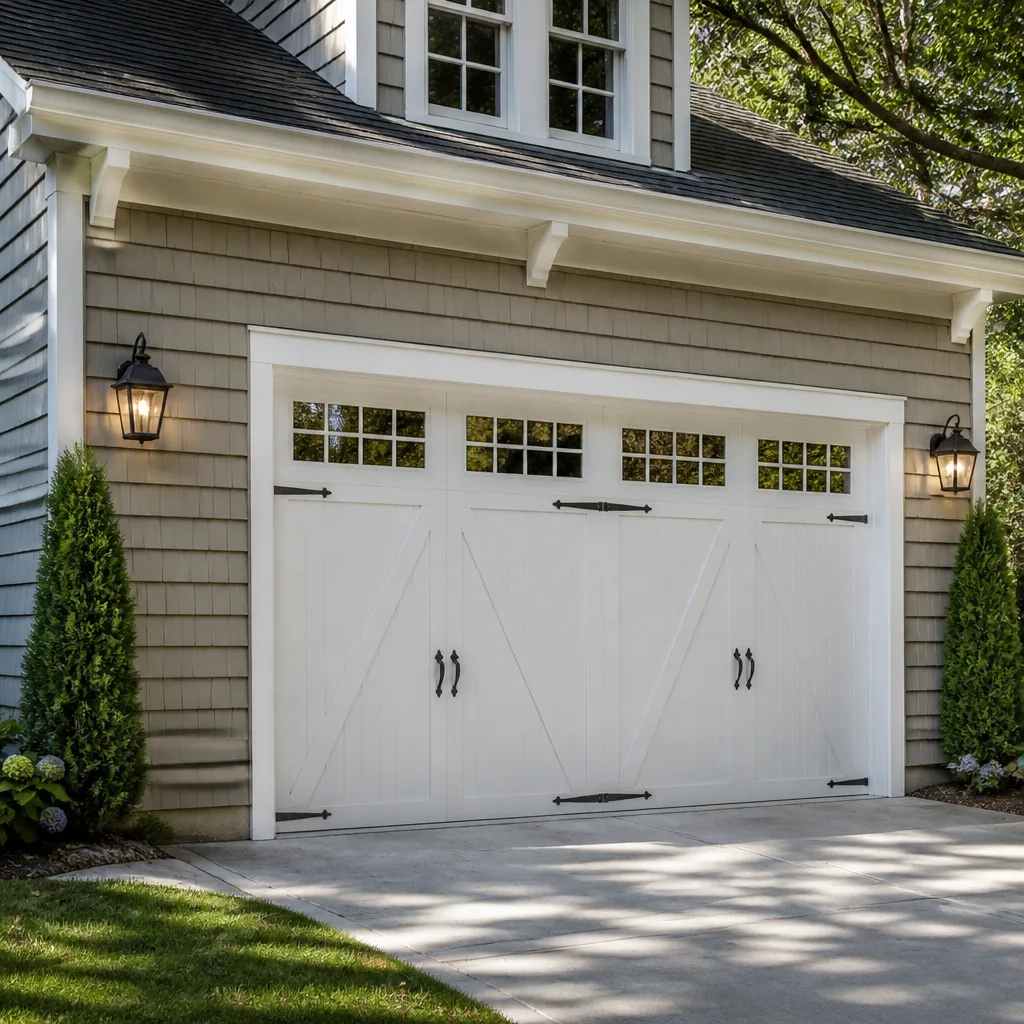 Carriage house
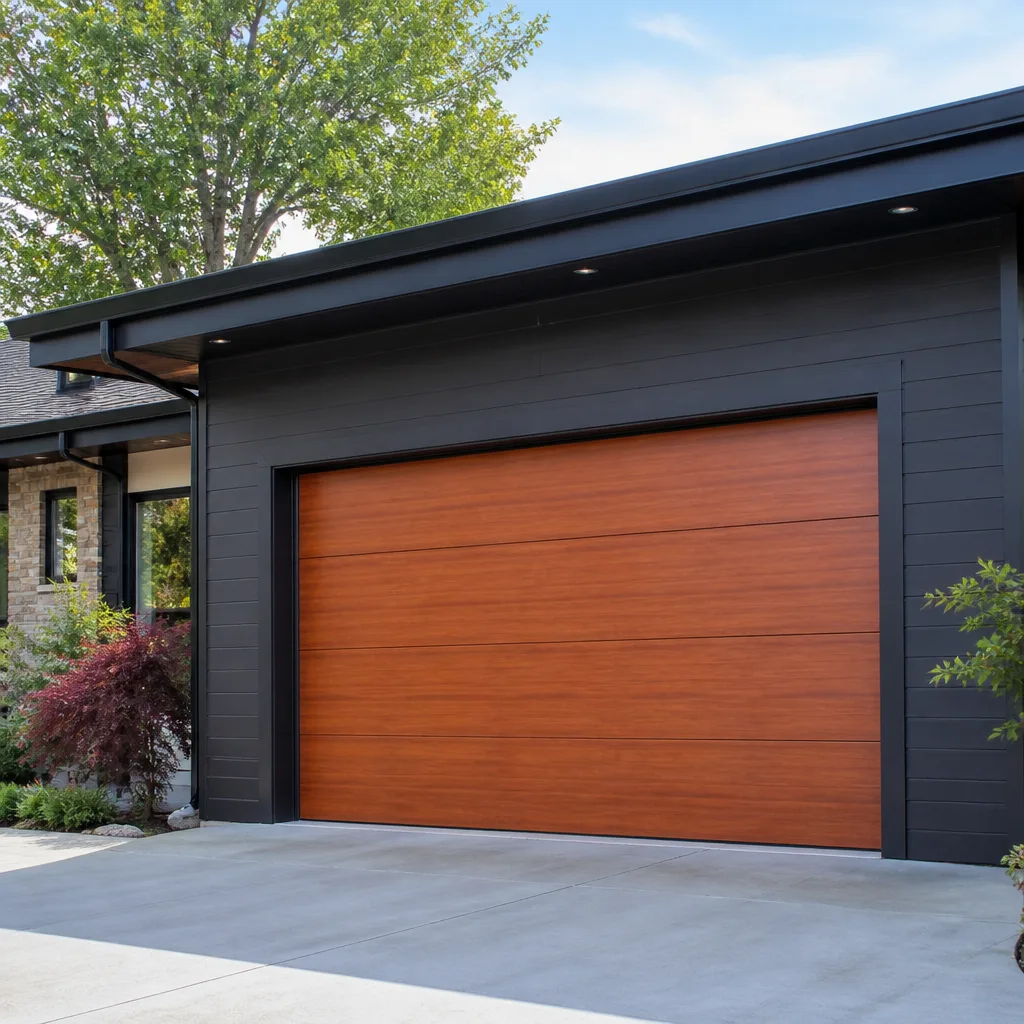 Modern flush
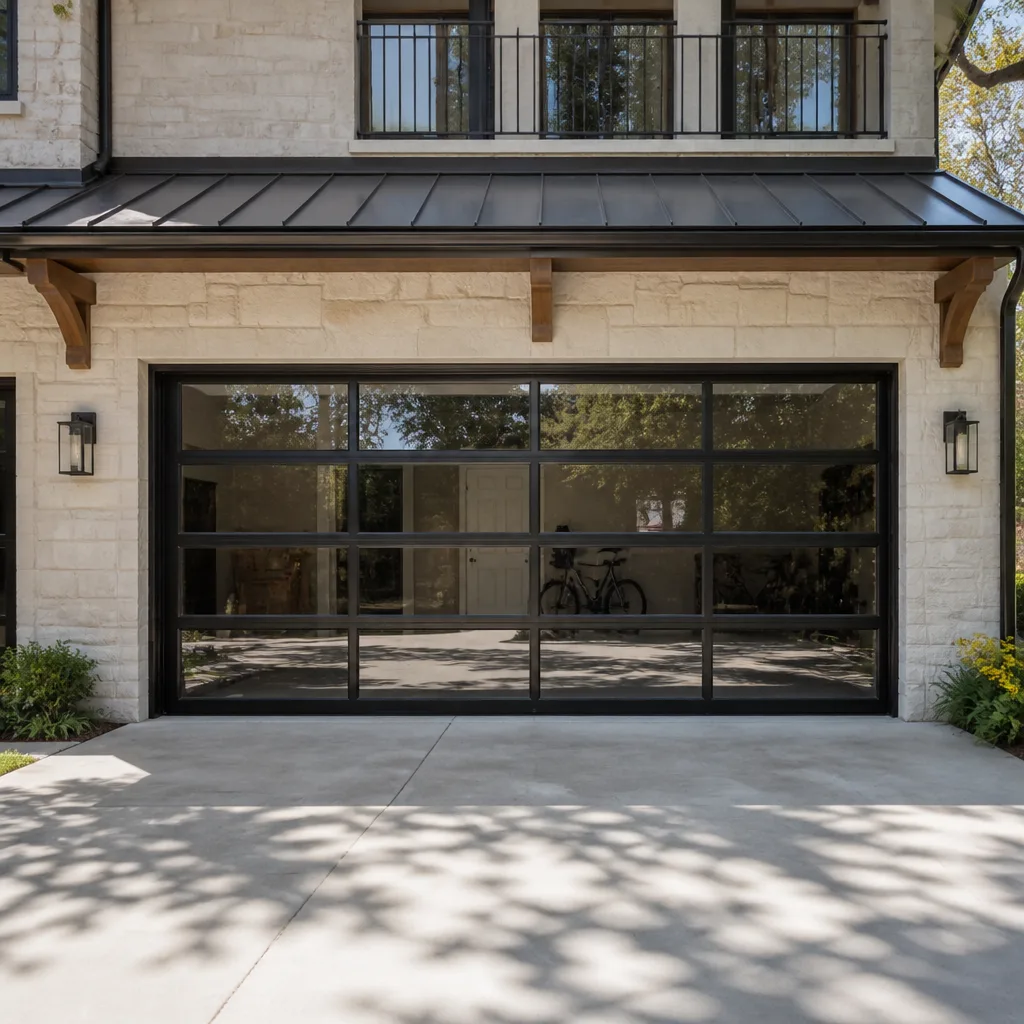 Full-view glass
 LiftMaster openers
 Chamberlain openers
Full 25-point door and opener safety check with every visit - springs, cables, rollers, tracks, and your LiftMaster or Chamberlain opener included
You get a price before we start. It does not change when the pro arrives.
Get your free estimateSeasonal Garage Door Care for Milford: Year-Round Homeowner’s Guide
Milford’s garage doors don’t fail randomly across the year. They fail in clusters: the first hard freeze in November, and the first warm week in March when ice-stressed components finally give out. That pattern matters because most maintenance advice treats the calendar as four equal seasons. Here, it isn’t. Two transition windows carry almost all the risk, and the care that actually prevents failures has to be timed around them. This guide walks through both windows, explains what Connecticut freeze-thaw cycles do to springs, cables, seals and weatherstrip, covers the summer problems that Milford homeowners tend to overlook, and gives you a step-by-step seasonal routine you can run yourself plus the checks that belong in a technician’s hands.
Quick Answer
Seasonal garage door care in Milford comes down to two high-risk windows: October into early winter, when you prep for the first hard freeze, and March into spring, when you audit everything the freeze-thaw season stressed. Lubricate moving parts before winter with a cold-rated product, keep the bottom seal and weatherstrip intact, watch spring and cable condition closely in both windows, and book a professional spring and cable inspection once a year. Everything else in this guide supports those two dates.
Styles & brands we work with
- Raised-panel steel
- Carriage house
- Modern flush
- Full-view glass
- LiftMaster openers
- Chamberlain openers
Table of Contents
- Why October Is the Most Important Garage Door Month in Milford
- What Cold Weather Actually Does to Torsion Spring Tension
- Operating Your Door Through a Milford Winter
- The March Post-Winter Audit: Cables, Seals and Weatherstrip
- Summer Problems: Thermal Expansion and South-Facing Garages
- The Fall Lubrication Protocol: What Stays Viscous Below 20°F
- The Year at a Glance: A Milford Seasonal Calendar
- Which Checks Belong to a Professional
Why October Is the Most Important Garage Door Month in Milford
If you do one thing for your garage door all year, do it in October. That’s when Milford’s temperatures start their slide toward the first hard freeze, and it’s the last comfortable window to catch problems while they’re still cheap and easy to fix. A door that gets a proper October once-over usually sails into January. A door that gets ignored tends to announce itself on the coldest morning of the year, usually with a snapped spring or a door that opens six inches and stops.
The October prep window is short. You’re working against the first hard freeze, and once temperatures drop, everything about the job gets harder: lubricants thicken, seals stiffen, and small issues turn into failures. Here’s the checklist we’d hand any Milford homeowner in early October:
- Test the balance of the door. Disconnect the opener and lift the door halfway by hand. A balanced door should stay there with little effort. If it drops or feels unusually heavy, spring tension has already drifted and a technician should look at it before winter.
- Listen to the door. Grinding, squealing or popping sounds in October are a warning, not a personality quirk. Most are lubrication or roller issues that a professional can resolve quickly with garage door repair.
- Inspect the bottom seal and side weatherstrip. Run your hand along the bottom seal where it meets the floor. Cracks, hardness or gaps let cold air and moisture in all winter and are a common source of frozen doors.
- Check the opener’s safety reverse. Place a roll of paper towels under the door and close it. The door should reverse on contact. If it doesn’t, the opener needs attention before you depend on it in cold weather.
- Clear the tracks and the area around the door. Debris in the tracks plus a hard freeze is a recipe for a door that jerks or comes off track.
- Lubricate the moving parts (more on the right products below).
- Look at the springs and cables with your eyes, not your hands. Visible gaps in a torsion spring, frayed cable strands or rust streaks are all reasons to call a technician now rather than in January.
This is the single highest-value hour of garage door maintenance in Milford all year. It costs you nothing but time, and it catches the majority of problems before the cold locks them in.
What Cold Weather Actually Does to Torsion Spring Tension
Torsion springs are made of steel, and steel behaves differently when it’s cold. As temperatures fall, the metal contracts slightly and the spring’s stored energy changes. Meanwhile, every other part of the door system gets stiffer: the lubricant thickens, the rollers drag, the bottom seal hardens, and the tracks can shift a fraction as the ground freezes. The result is that a door which felt perfectly balanced in October can feel like it’s fighting you in January, and a spring that was already near the end of its life can break outright.
This is why so many garage door failures in Milford happen on the first genuinely cold morning of the season. The door has been carrying a marginal spring for months, and the first hard freeze pushes it over the edge.
Two things matter here. First, cold-weather spring problems don’t always announce themselves with a bang. A door that opens slowly, opens partway and reverses, or feels heavier than it used to is telling you the tension is off. Second, and more important:
Springs are the most dangerous part of your garage door system, and they are never a DIY repair. A torsion spring under tension stores an enormous amount of energy. Touching, adjusting or replacing one without the right tools and training can cause serious injury. If you suspect a spring problem, stop using the door and call a technician. We handle garage door spring repair as a speciality precisely because it’s the repair most often mishandled, and it’s the one where a mistake actually hurts someone.
For a Milford homeowner, the practical rule is simple: get your springs inspected in October and again in March. If the door’s behavior changes at all in between, don’t wait for the next scheduled check.
Operating Your Door Through a Milford Winter
Once winter is here, your job shifts from maintenance to smart operation. A few habits make a real difference in how well a door survives a Connecticut season:
- Watch the door’s first few cycles each morning. Cold mornings are when problems show. If the door sounds different or moves unevenly, note it and call before it gets worse.
- Don’t force a door that’s stuck. If the door won’t open or reverses immediately, stop. Repeatedly cycling a failing door stresses the springs, opener and cables and can turn a small repair into a bigger one.
- Keep snow and ice clear of the door’s path. A drift packed against the bottom seal can freeze the door shut. Clear the apron in front of the door after a storm.
- Keep the tracks free of ice. If the tracks ice up, the door will run rough or come off track. A technician can address a door that’s already stuck or off track when it happens.
- Leave the opener’s force settings alone. Cranking up the force to push through a stiff door only masks the real problem and wears parts faster.
If something does fail in the middle of a Milford winter, the door often leaves a home unsecured or a car trapped. That’s exactly the situation our emergency garage door service is built for, and it’s a standing capability, not an upsell. When a door fails on a Saturday, call and we’ll book you for Sunday.
The March Post-Winter Audit: Cables, Seals and Weatherstrip
March is the second high-risk window, and it’s the one most homeowners skip. As temperatures climb above freezing, all the components that took a beating over the winter start moving again, and the damage becomes visible. A cable that was quietly fraying under the cold now shows its strands. A bottom seal that was compressed against frozen ground now shows its cracks. A weatherstrip that was holding on by a thread lets go. Here’s how to audit the three biggest problem areas after a Connecticut freeze-thaw season.
Cable condition
Cables carry the load alongside the springs, and freeze-thaw cycles are hard on them. Look at each cable from a safe distance (never touch a cable under tension). You’re checking for frayed strands, kinks, rust spots and slack. A single broken strand is a reason to call: a damaged cable can snap without warning and the door can drop. Cables are a job for a professional, full stop.
Bottom seal compression
The bottom seal is the rubber strip that meets the floor. After a winter of freeze-thaw, it can lose its shape, flatten unevenly, crack, or pull away from the door. Check it by running your hand along the edge (with the door fully open and the opener disconnected, so there’s no chance of it moving). If the seal is hard, torn or not making contact with the floor, it needs replacing. A bad bottom seal lets cold air, water and pests in and can throw off the door’s balance.
Weatherstrip adhesion
The weatherstrip around the sides and top of the door is glued or tacked in place, and freeze-thaw cycling plus moisture works it loose. Inspect the edges for lifting, gaps or crumbling foam. A weatherstrip that’s peeling off is an easy fix, but leaving it allows water to get behind the door frame and, over time, into the wall.
If your March audit turns up problems in any of these three areas, a professional inspection now saves you from dealing with it in July or, worse, in a downpour. For opener-related quirks that show up after winter, look at garage door opener repair.
Summer Problems: Thermal Expansion and South-Facing Garages
Summer in Milford brings its own set of garage door issues, and they’re easy to miss because they’re subtler than a snapped spring. The two biggest are thermal expansion and sun exposure.
Thermal expansion on steel doors. Steel expands as it heats and contracts as it cools. On a south-facing garage door that sits in direct afternoon sun for hours, the door panel heats unevenly. Sections can bow slightly, seams can open, and the door can start to bind in the tracks or sit unevenly against the frame. Over many cycles of expansion and contraction, hinges and fasteners can loosen. If your door looks warped, rattles more than it did in spring, or drags in the tracks, thermal expansion is a likely culprit.
Direct afternoon sun on opener sensors. The safety sensors near the bottom of the door rely on an infrared beam. Direct afternoon sun shining on a sensor receiver can overwhelm it and cause the door to refuse to close or to reverse repeatedly. If your door only misbehaves in midafternoon and works fine in the morning or evening, sun on the sensor is the most likely cause. A technician can adjust the sensor alignment or reposition the sensor bracket to correct it. That’s an opener fix, and it usually falls into the garage door opener repair category rather than a door repair.
Summer is also a good time to re-check your door’s balance and lubrication, especially if you skipped the spring category. Dry heat accelerates lubricant breakdown on rollers and hinges just as cold does.
The Fall Lubrication Protocol: What Stays Viscous Below 20°F
Lubrication is where a lot of garage door maintenance advice goes wrong. Any lubricant makes the door quieter in October. The question is what it’s doing in February. Some products thin out and burn off by the first hard freeze. Others turn to a waxy sludge below 20°F and actually add drag to a door that was previously running freely. Getting this wrong means you’ve done the work and made the problem worse.
Here’s the protocol that holds up in a Milford winter:
- Start clean. Wipe the old lubricant and grime off hinges, rollers and the spring (with gloved hands and without touching a tensioned spring under load). Fresh lubricant over old sludge doesn’t solve anything.
- Choose a cold-rated product. Look for a silicone-based or purpose-made garage door lubricant rated to stay fluid at your winter temperatures. Avoid standard WD-40 as a lubricant: it’s a solvent, not a lasting barrier, and it doesn’t hold up below freezing. Avoid heavy grease in the cold season: it thickens and adds drag.
- Lubricate the right parts: hinge pivots, roller bearings, the spring (lightly, never under tension), and the pivot points on the tracks. Don’t lubricate the track surfaces the rollers run on: they should stay dry so the rollers roll instead of slide.
- Test in cold weather. After the first cold snap, listen to the door. If it’s noticeably stiffer than after lubrication, the product isn’t holding up and needs to be replaced with something cold-rated.
- Do it once in October and once in spring. A monthly top-up is overkill. Two well-timed applications carry you through the year.
The right lubricant is one small part of the picture, but it’s the part most within a homeowner’s control. Everything else – spring tension, cable tension, opener force settings – belongs with a technician.
The Year at a Glance: A Milford Seasonal Calendar
If you like a simple routine to follow, here’s how to distribute your garage door care across the year without overthinking it. The whole thing is built around the two transition windows: October into winter, and March into spring.
October into November: pre-winter prep
- Full balance and safety-reverse test
- Cold-rated lubrication (hinges, rollers, spring)
- Bottom seal and weatherstrip inspection
- Track clearance and debris check
- Professional spring and cable inspection before cold
December through February: smart operating
- Listen to the door’s first cycles on cold mornings
- Keep snow, ice and debris out of the door’s path
- Don’t force a stuck door; call when it fails
- Address emergency failures directly
March into April: post-winter audit
- Cable condition inspection (visual only)
- Bottom seal and weatherstrip assessment
- Spring and opener re-check by a technician
- Lubrication refresh for warm-weather operation
May through September: summer awareness
- Watch for thermal expansion warping on south-facing doors
- Check that the opener’s sensors aren’t overwhelmed by afternoon sun
- Re-lubricate if the door seems stiff
- Plan new-installation work ahead of winter
That’s the whole calendar. Two real maintenance dates in October and March, a few operating habits in between, and a technician check at each transition. A new door installation also tends to fit best in the warmer months, since the work is measured, ordered and scheduled rather than rushed.
Which Checks Belong to a Professional
Some of this guide is yours to do. Some of it isn’t, and the line matters for your safety. In our experience, the homeowners who get in trouble are the ones who decide to “just have a look” at something under heavy load.
Leave to a professional:
- Torsion spring inspection, adjustment and replacement. This is the most dangerous part of the system. Springs store enormous energy and can cause serious injury when handled without the right training and tools.
- Cable inspection under tension. Visual checks only are fine. Anything more is a technician’s job.
- Balance adjustment. Adjusting spring tension to rebalance a door is precise work that involves spring tension.
- Opener force settings and sensor diagnosis. Force settings, travel limits and safety sensor alignment need the manufacturer’s specs, and a technician who works on your opener brand will be more precise than a DIY attempt.
- Track alignment after freeze-thaw. A track can shift as the ground freezes and thaws. Realigning it safely requires the right tools and the ability to test the whole assembly.
We work on the brand that’s already on your home. Whether it’s a LiftMaster opener or a Raynor door, we know the system. For Milford homeowners facing a full pre-winter check, this is the point where a technician’s visit pays for itself: it catches the marginal spring in October instead of after it lets go in January.
Common Mistakes to Avoid
- Lubricating with whatever’s in the garage. Standard WD-40 and heavy grease both let you down in a Milford winter. WD-40 evaporates and doesn’t last, and thick grease gets waxy below freezing and adds drag. Use a cold-rated garage door lubricant and skip the shortcut.
- Skipping the March audit. Fall gets all the attention, but the damage that starts to show after a Connecticut freeze-thaw season (frayed cables, hardened seals, peeling weatherstrip) gets worse quietly. A quick March check catches it before it surprises you.
- Cranking up the opener’s force to push through a stiff door. If the door is stiff in cold weather, the force setting isn’t the fix. It’s a symptom of worn springs or thickened lubricant, and raising the force wears the rest of the system faster.
- Adjusting or replacing a torsion spring yourself. This is the mistake with the worst consequences. Springs under tension are genuinely dangerous, and this is not a job for a homeowner’s tool kit. Call a technician.
- Ignoring a door that only misbehaves in the afternoon. If your door only acts up in direct midafternoon sun, the opener sensor is probably being flooded with light. It’s an easy fix for a technician, but if you leave it, the door will fail at the worst possible moment.
- Forgetting the tracks. Debris packed into the tracks plus a hard freeze is a classic Milford winter failure. A quick brush-out and visual check in October saves you.
- Putting off a replacement door until winter. New installation involves measuring, ordering and scheduling. Starting in the fall means the work happens before the cold, not during it.
See the difference
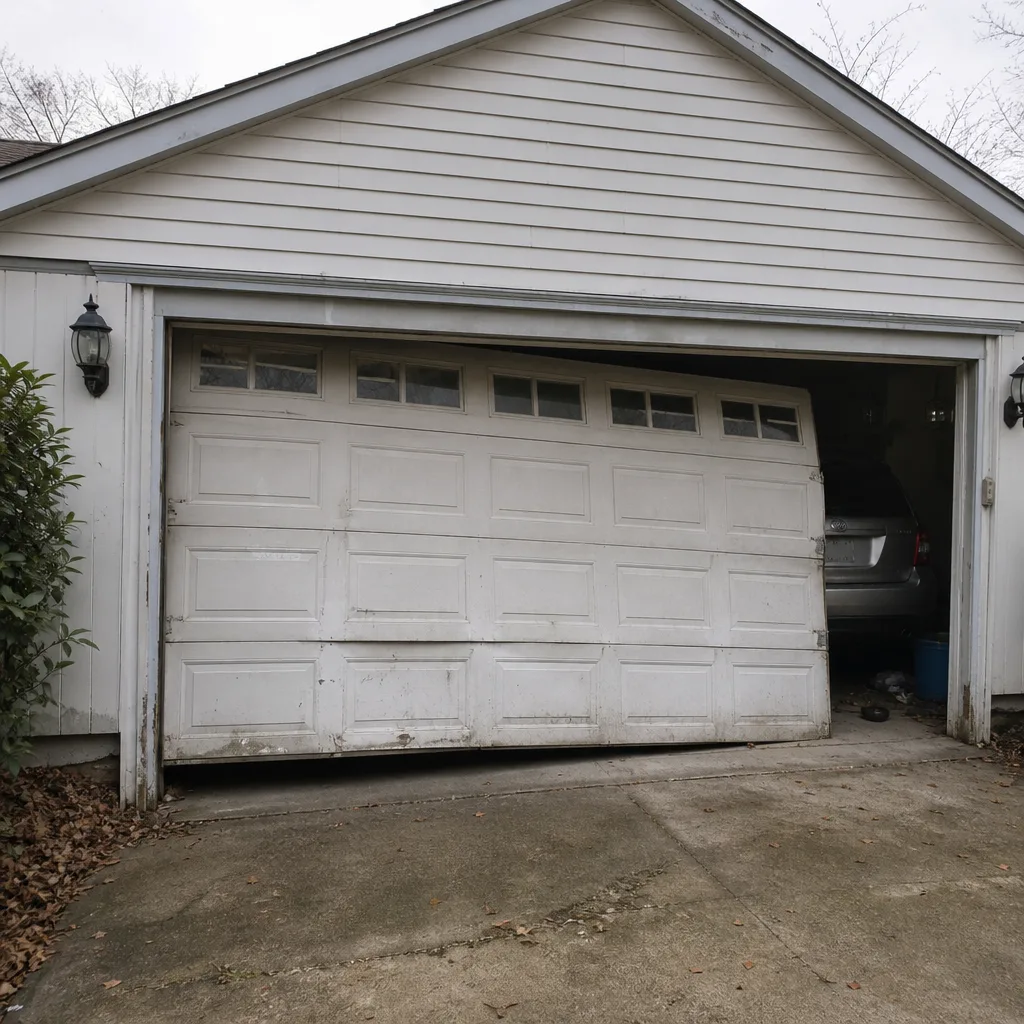 Before
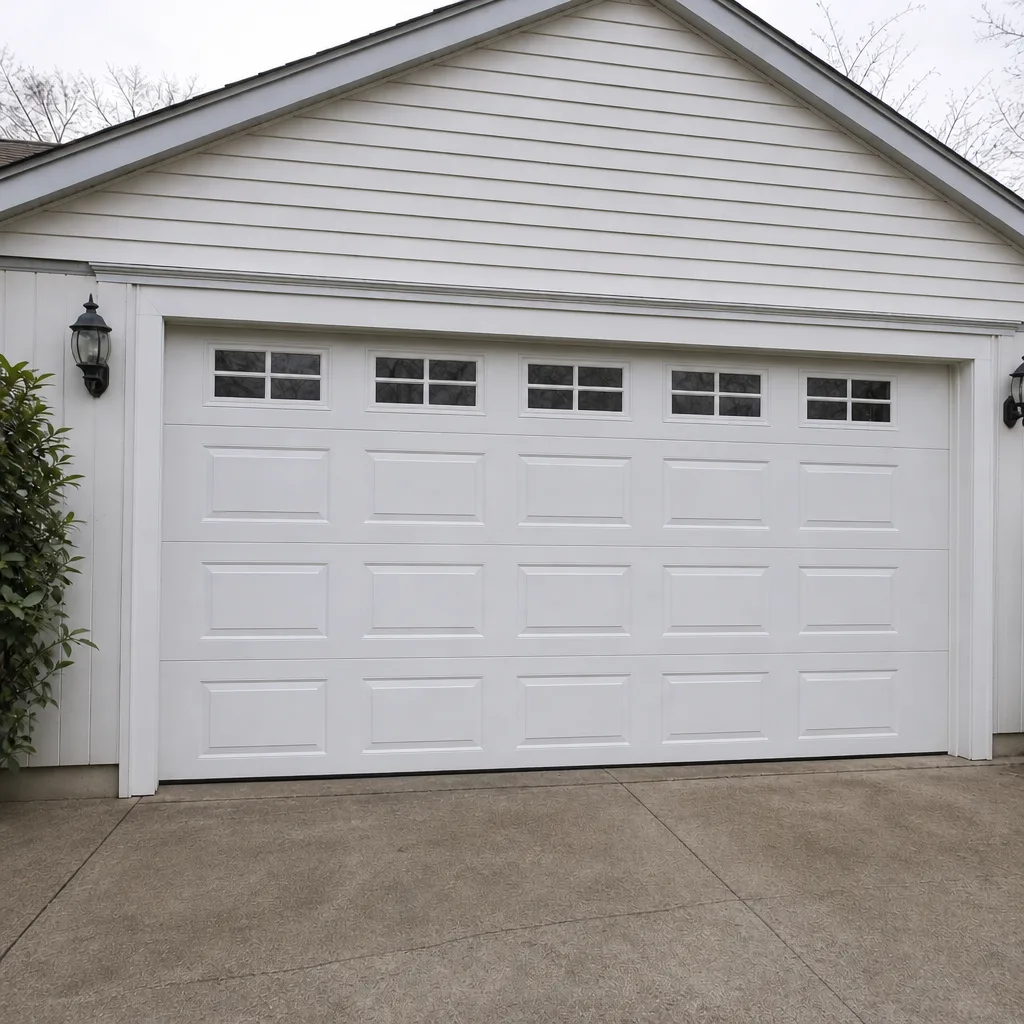 After
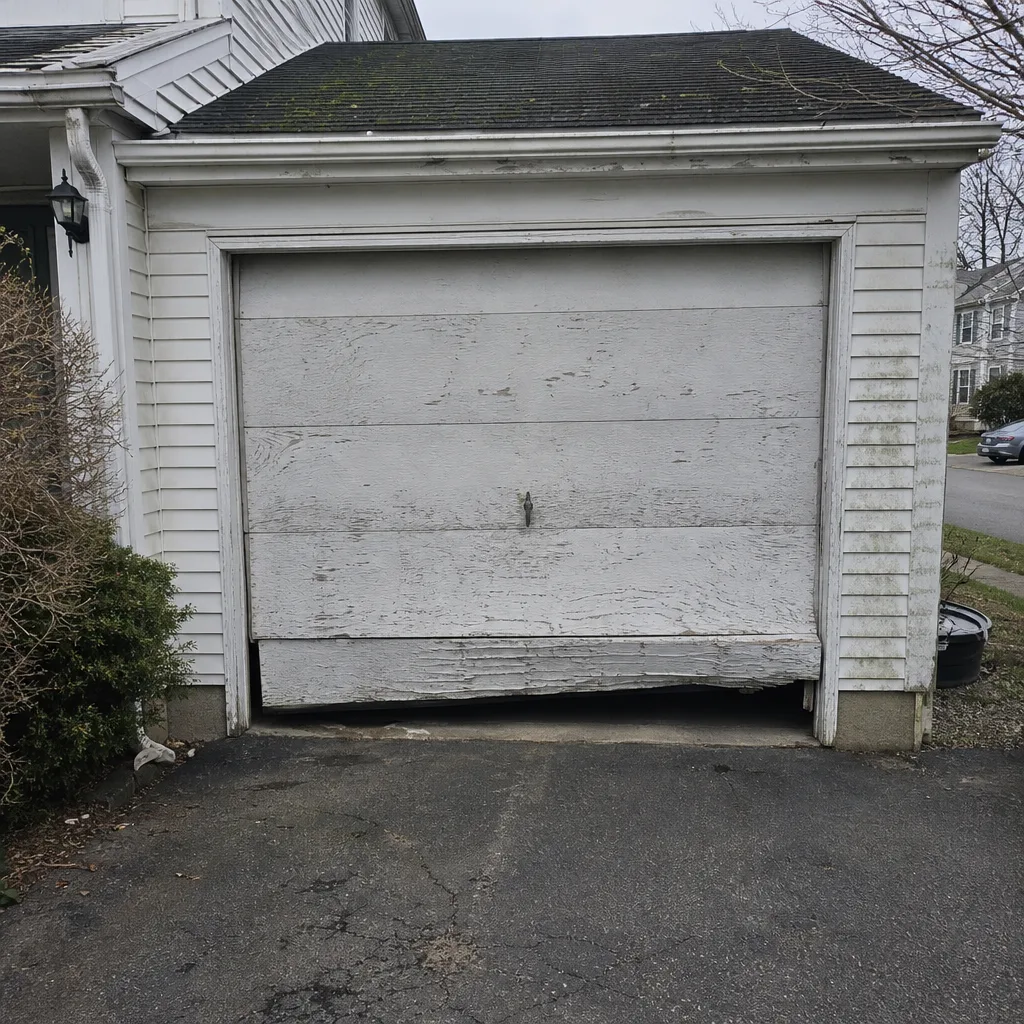 Before
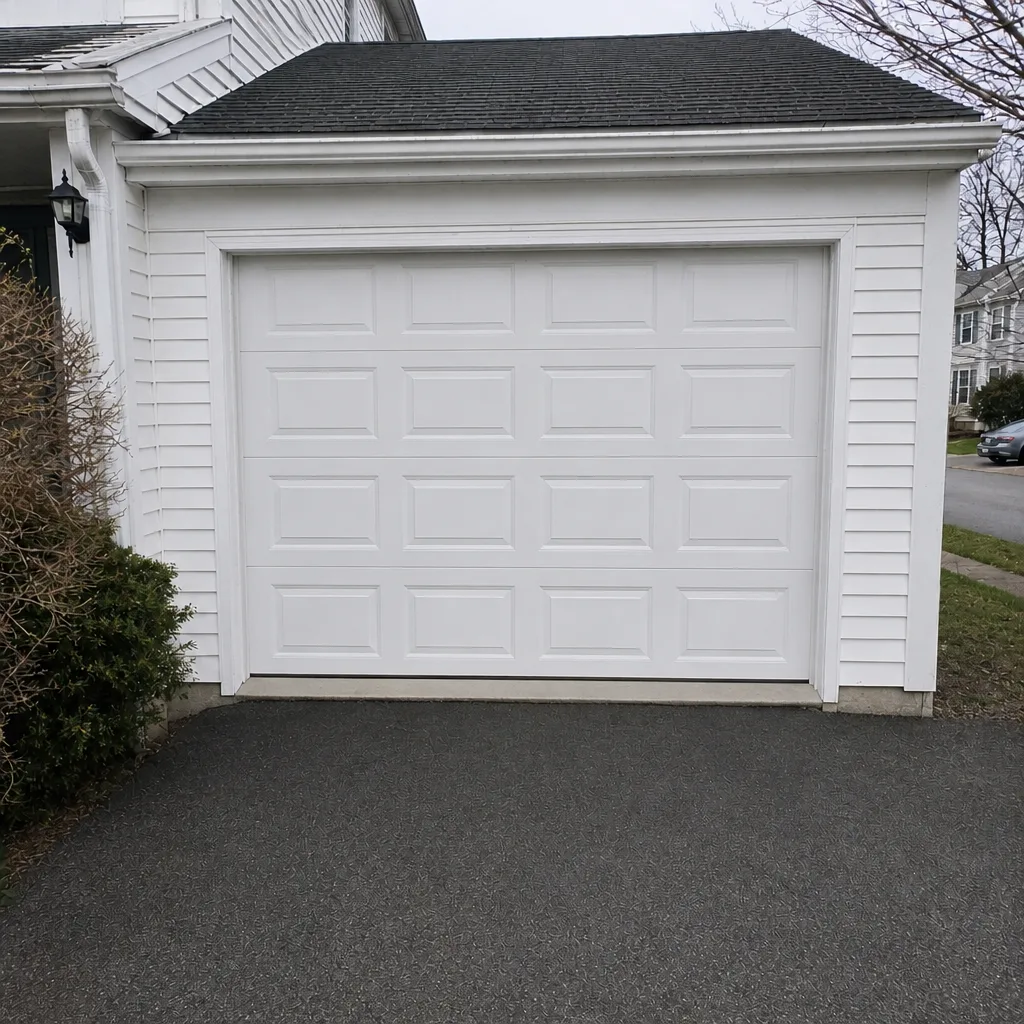 After
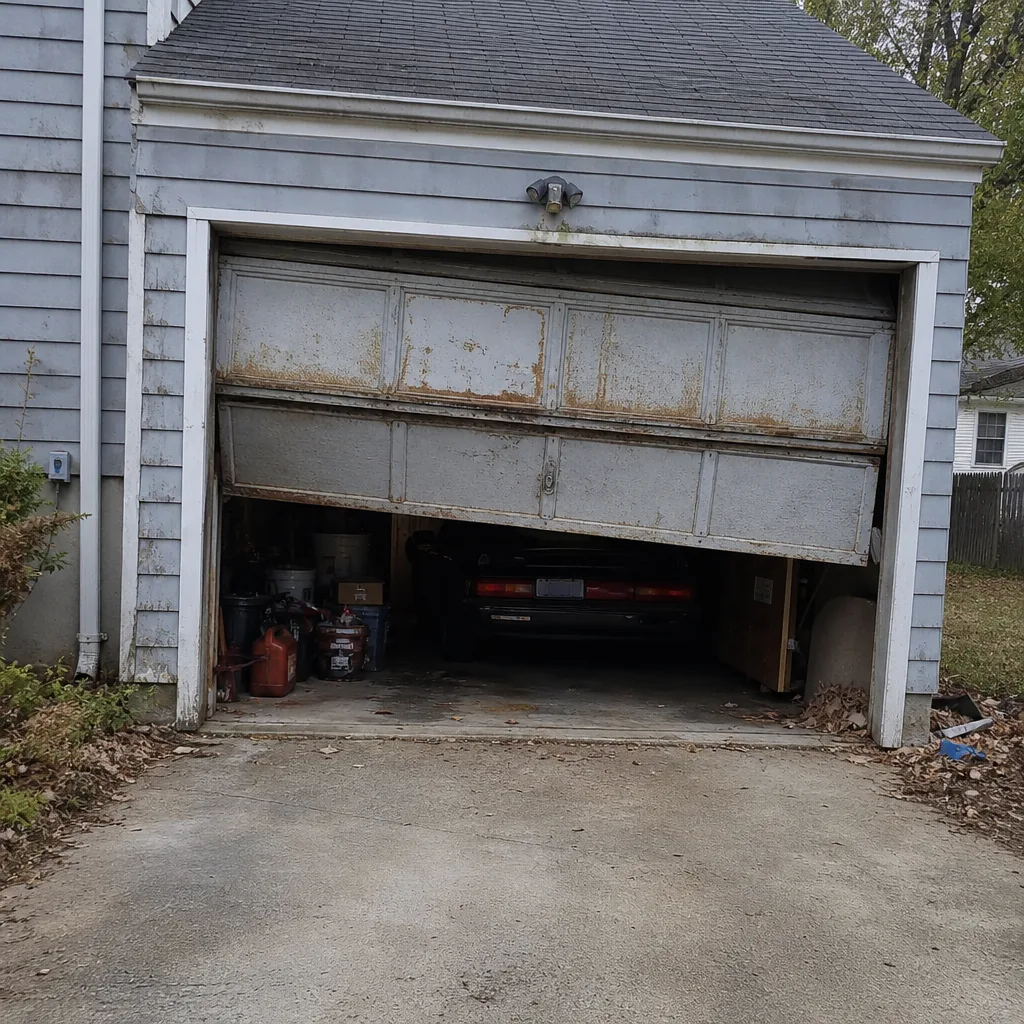 Before
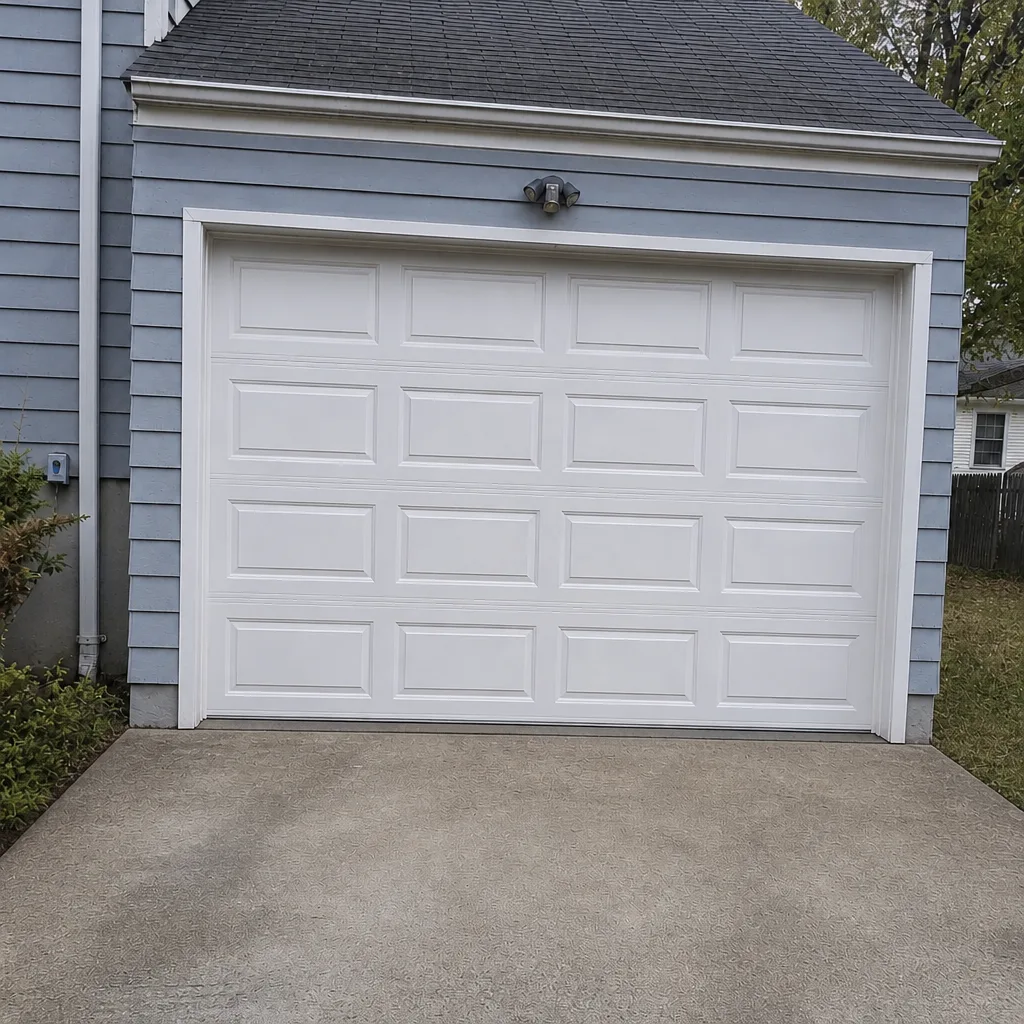 After
When to Call a Professional
Some issues are yours to handle, and some are genuinely worth a call. Call us if the door feels unusually heavy, reverses partway, or makes new noises that don’t respond to lubrication. Call if a spring has visible gaps, a cable shows frayed strands, or the door is off its tracks. Call after any impact (a car, a bike, a wayward ladder) even if the door still opens, because a bent panel or shifted track will wear the rest of the system. Call if the opener’s safety reverse doesn’t work or you have to hold the button to close the door. Call if a winter failure has left your home unsecured or your car trapped. And call when an afternoon-only sensor problem keeps you from getting in and out. For a full pre-winter or post-winter check, a technician visits, tests the balance, inspects the springs and cables, and gives you a written estimate. Milford Garage Door Repair Pros offers free estimates in Milford – call (855) 764-1660.
Frequently Asked Questions
Schedule it twice a year: in October before the first hard freeze and in March after the freeze-thaw season. Those two dates catch the vast majority of failures before they happen. If money or time is tight, prioritize October: a pre-winter check prevents more failures than anything else. Call (855) 764-1660 for a free estimate, and we’ll book you ahead of the first freeze.
Cold weather changes the way the whole door system behaves. Steel springs lose some of their responsiveness, lubricant thickens, and the bottom seal stiffens. A door that was marginal in October can fail in January, and a spring that was near the end of its life can snap on the first hard freeze. If your door stops opening or reverses partway in cold weather, stop using it and call a technician. Call (855) 764-1660 for a free estimate.
No. Torsion springs are under enormous tension and are the most dangerous part of the whole system. Adjusting or replacing one without the right tools and training can cause serious injury. Springs are a professional job, full stop. Call (855) 764-1660 and we’ll handle the spring safely.
Direct afternoon sun on the opener’s safety sensor is the most likely cause. The sun can overwhelm the infrared receiver and make the door refuse to close or reverse repeatedly. A technician can usually fix this by adjusting the sensor alignment or repositioning the bracket. Call (855) 764-1660 if your door only misbehaves in direct afternoon sun.
Use a silicone-based or purpose-made garage door lubricant rated to stay fluid in cold weather. Avoid standard WD-40 (it’s a solvent, not a lasting lubricant) and avoid heavy grease in the cold season, because it thickens and adds drag. Apply it in October and again in spring, after cleaning the old product off. Call (855) 764-1660 if you’d rather have a technician handle the full pre-winter check.
A slightly heavier feel in cold weather is normal. A door that feels much heavier than it did in October, or that reverses partway, or that you have to force, is telling you something. The likely culprits are spring tension that’s drifted or lubricant that’s too thick for the temperature. Don’t force the door. Call (855) 764-1660 for a free estimate and we’ll diagnose it.
The Bottom Line
Milford garage doors don’t fail in a random pattern. They cluster around the first hard freeze in October and November and the first warm week in March. Treating those two windows as your maintenance dates is the whole strategy. Do your own checks in each window (balance test, safety reverse, seal and weatherstrip inspection, cold-rated lubrication), and leave springs, cables, tension adjustments and opener force settings to a technician. The October prep window carries the most weight, so protect it. And when something does fail, a Milford specialist who works on LiftMaster, Chamberlain, Genie, Raynor and the rest will get you back up and running today rather than waiting. For a full seasonal check, Milford Garage Door Repair Pros is the one to call for repair, opener service, spring work and new installations, all under one roof. Call (855) 764-1660 for a free estimate.
Written by the team at Milford Garage Door Repair Pros.