Last updated November 23, 2026
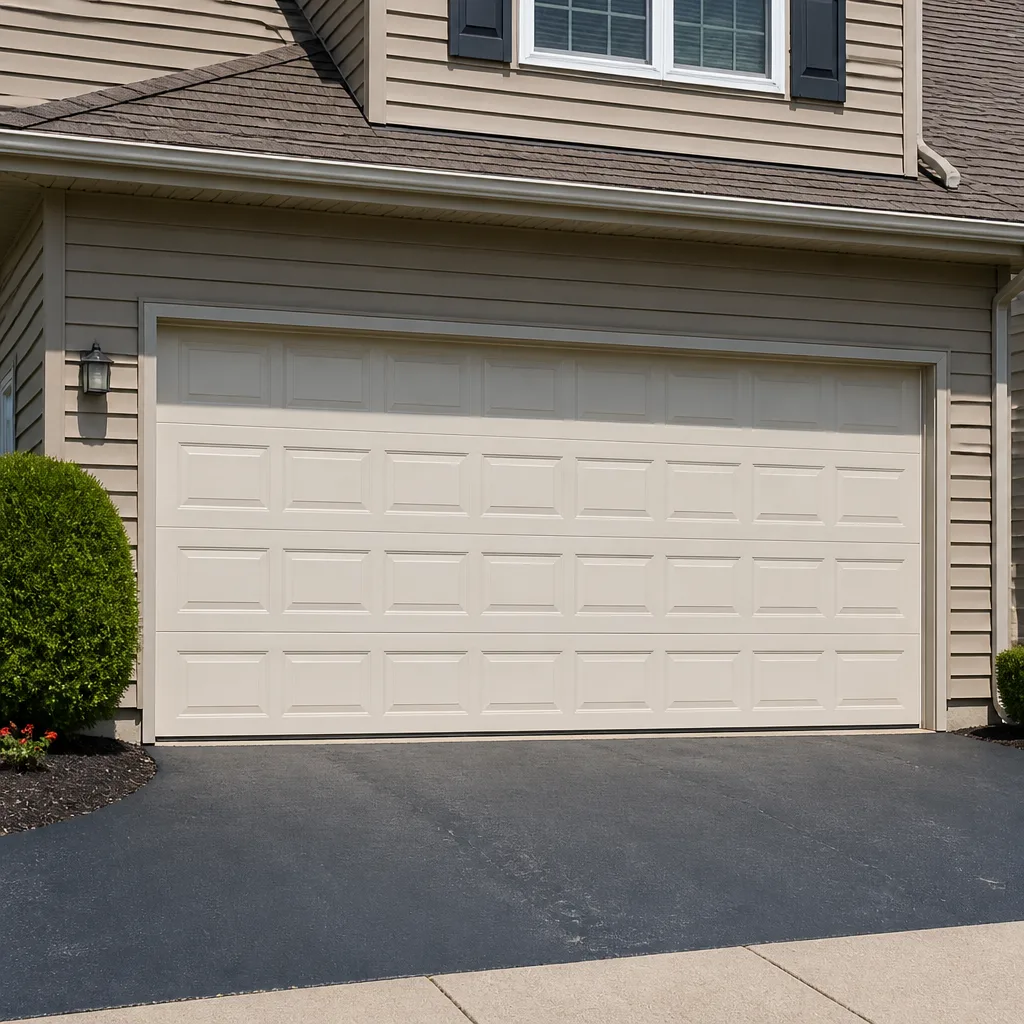 Raised-panel steel
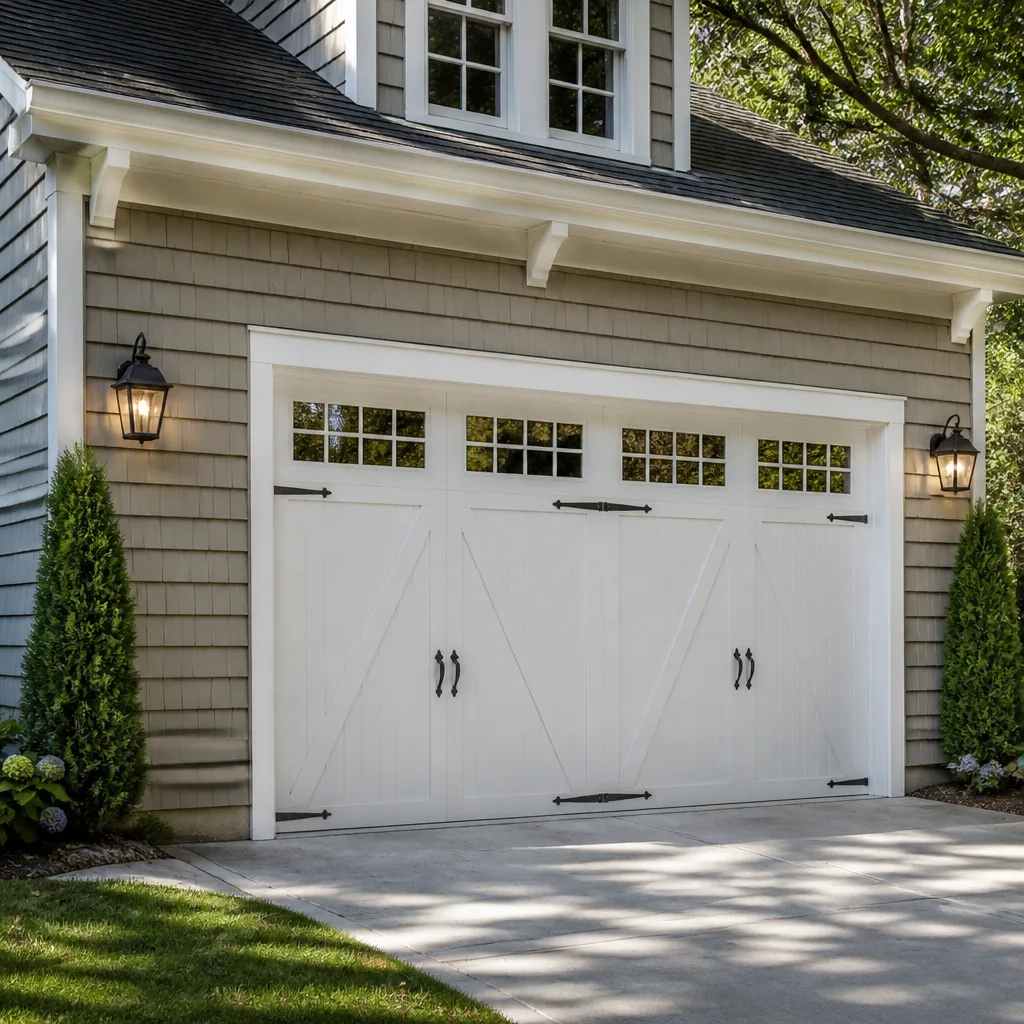 Carriage house
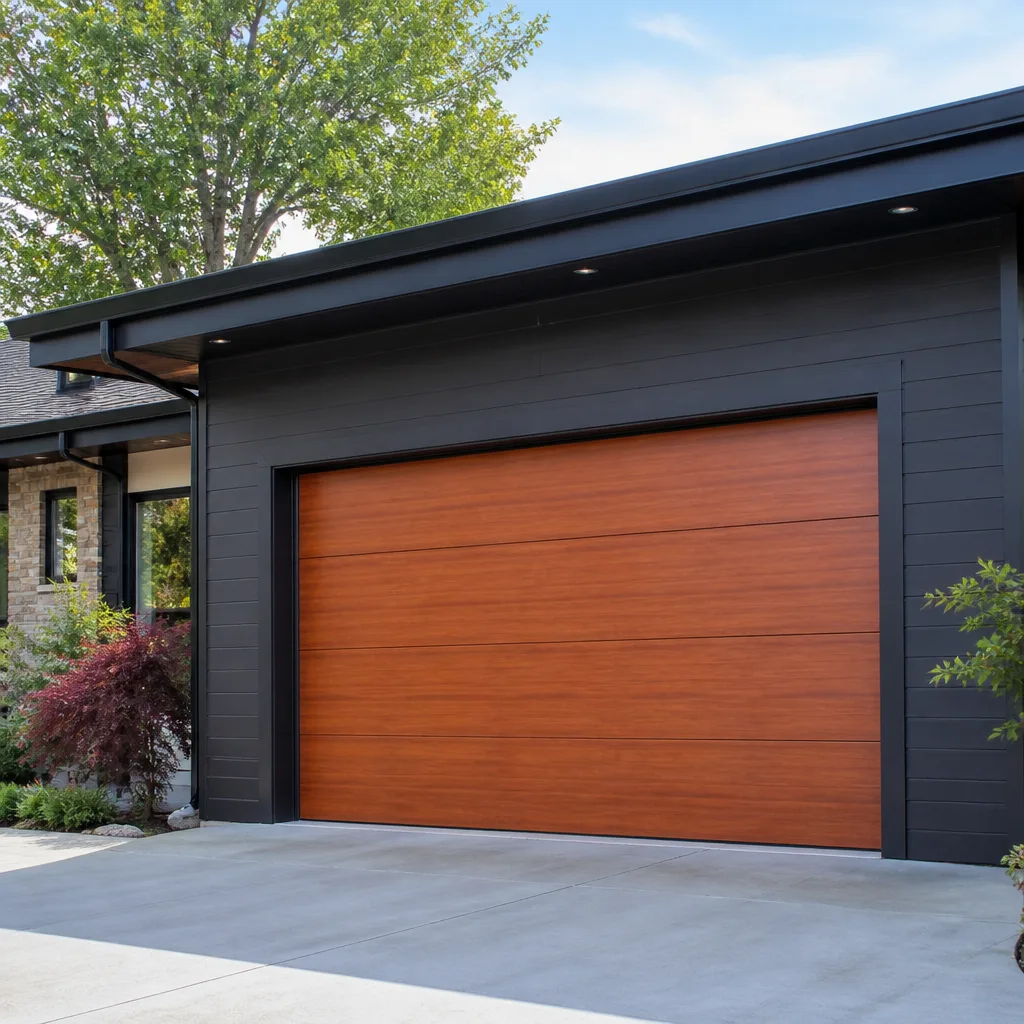 Modern flush
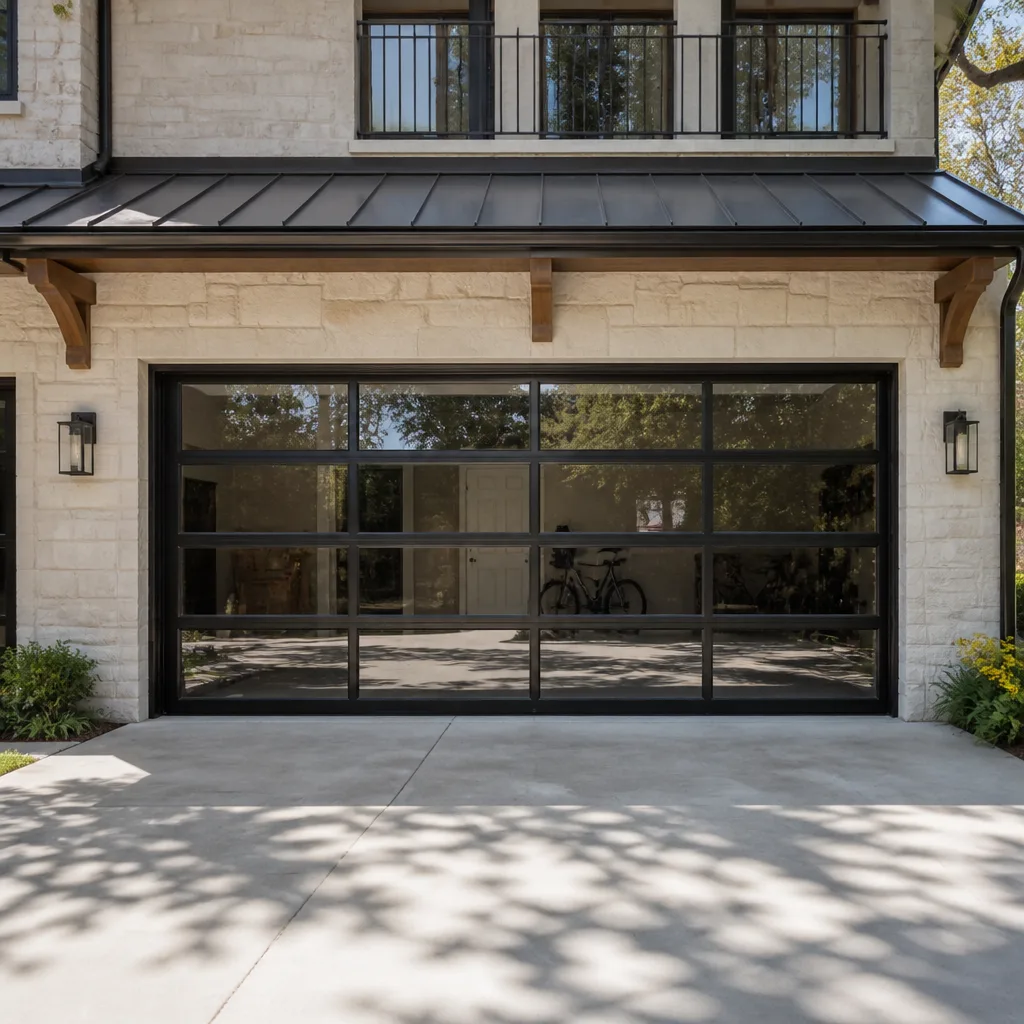 Full-view glass
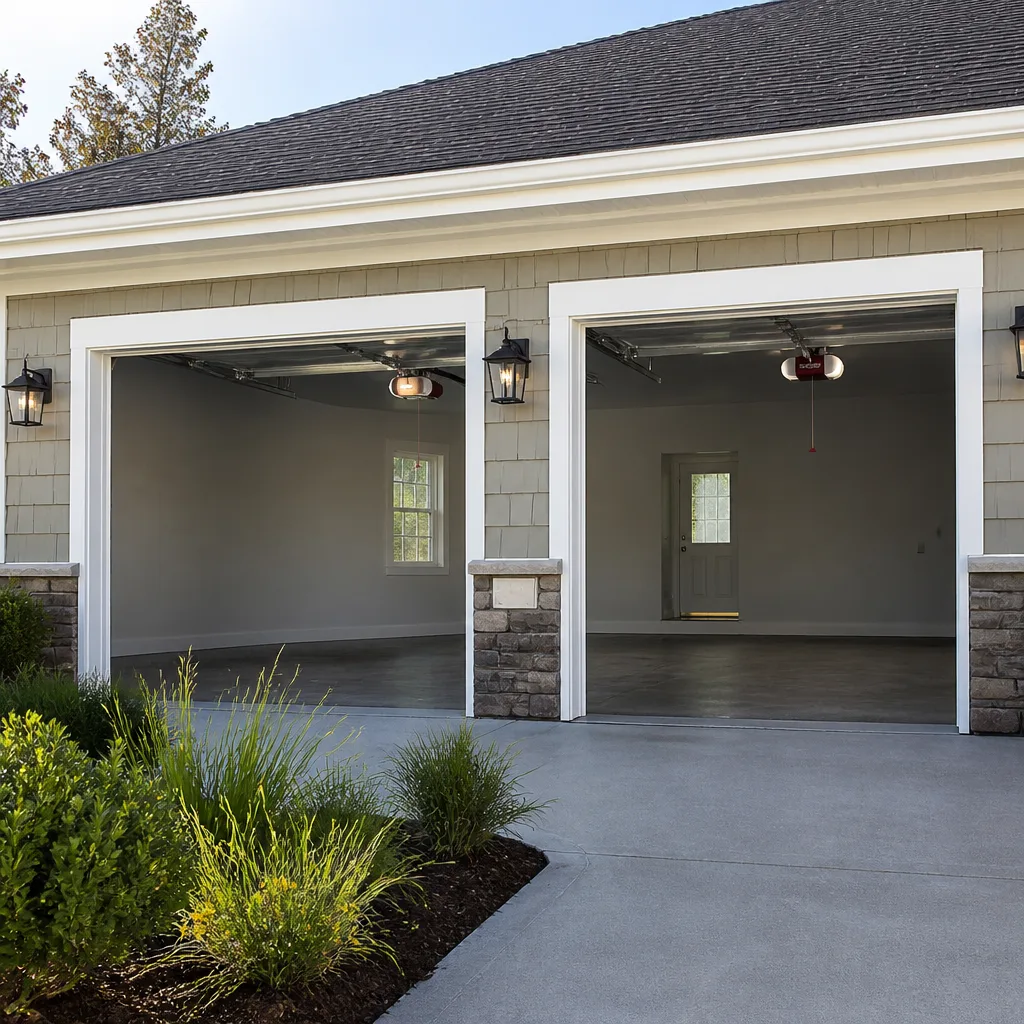 LiftMaster openers
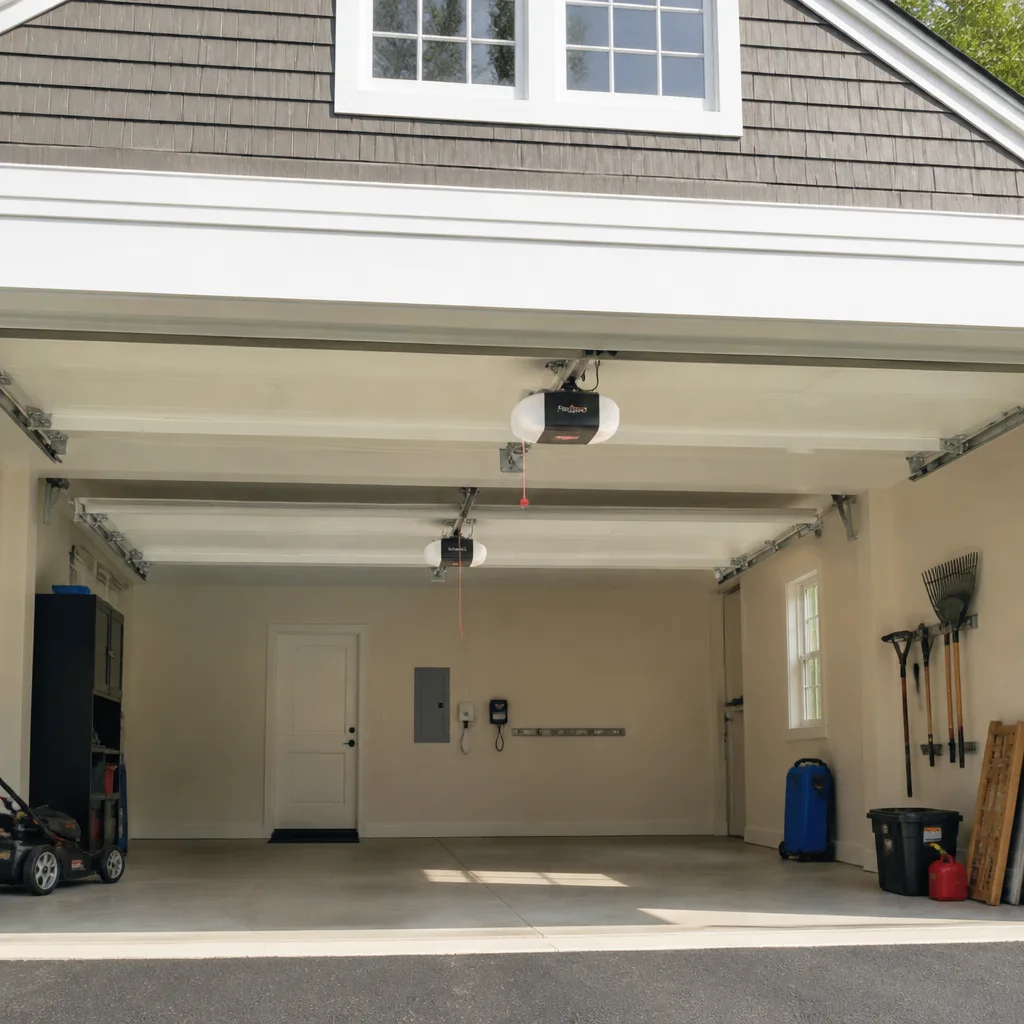 Chamberlain openers
Full 25-point door and opener safety check with every visit - springs, cables, rollers, tracks, and your LiftMaster or Chamberlain opener included
You get a price before we start. It does not change when the pro arrives.
Get your free estimateGarage Door Repair Maintenance Checklist for Milford Homeowners
A squeaky door isn’t always a lubrication problem. Sometimes it’s a roller on its last leg, and the difference between those two diagnoses is whether you’re looking at a small fix or an expensive service call you could have avoided. Most checklists hand you a generic ten-point list and send you off, which treats a garage door like a lawnmower. It isn’t. A garage door is the largest moving object on your house, strung with high-tension springs, and it tells you what’s failing long before it fails if you know what to listen for. In this guide, we’ll walk through how to interpret the sounds, sights, and symptoms your door gives you in Milford, so you can tell the difference between a nuisance adjustment and a failure that’s two weeks away.
Quick Answer
Run a full garage door inspection twice a year and a quick visual check once a month. A full inspection covers the balance test, spring and cable inspection, roller and hinge condition, lubrication points, and a safety-reverse test on the opener. In Milford’s wet winters and hot summers, pay special attention to rust on springs after a wet season and cracking on the bottom seal after summer heat. Anything involving springs, cables, or the torsion assembly is a professional job: those parts hold lethal tension.
Styles & brands we work with
- Raised-panel steel
- Carriage house
- Modern flush
- Full-view glass
- LiftMaster openers
- Chamberlain openers
Table of Contents
- Why a Checklist Beats Guesswork
- The Halfway Balance Test: What Uneven Results Tell You
- Lubrication Points Most Homeowners Skip
- Milford Climate Cues: Rust, Heat, and Freeze Damage
- How Often to Run a Full Checklist vs. a Quick Visual
- What to Photograph Before You Call a Technician
- The Parts You Should Never Touch Yourself
- Common Mistakes to Avoid
- When to Call a Professional
Why a Checklist Beats Guesswork
A garage door has roughly a dozen moving parts that wear at different rates. Springs fatigue, rollers flat-spot, hinges loosen, cables fray, and the opener’s drive gear strips. Each of these has a distinct signature in sound and sight. When you learn to read those signatures, you stop guessing whether a noise is serious and start knowing.
That matters more in Milford than in a mild climate. Winters bring repeated freeze-thaw cycles that work on metal expansion and contraction. Summers push heat at the bottom seal and the door’s exterior face. A door that sits quietly through a coastal California year gets a much harder workout in Connecticut, and the wear patterns show it.
Here’s the framework we use when we inspect a door in Milford:
- Listen for change. A door that has sounded the same for years is fine. The one that suddenly starts grinding, squealing, or popping is telling you something shifted.
- Look for asymmetry. A door that opens crooked, sags on one side, or binds at a specific height has a mechanical problem, not a cosmetic one.
- Feel for resistance. If the door feels heavy when you lift it by hand, the spring is losing tension.
- Test the safety systems. The photo-eye and pressure-reverse should stop the door instantly. If they don’t, that’s a call-today issue.
The checklist below is built around reading those signals. It’s the same framework our technicians use when they arrive for a scheduled inspection, and it’s the reason Milford Garage Door Repair Pros can usually quote a repair from a description before anyone arrives.
The Halfway Balance Test: What Uneven Results Tell You
The balance test is the single most useful check a homeowner can do. It tells you the health of the springs, and spring health determines everything else. Here’s how it works.
- Close the door fully and disconnect the opener by pulling the release handle (the red cord).
- Lift the door by hand to about waist height, roughly halfway open.
- Let go. A door with healthy springs stays put or drifts only slightly.
- If it drops fast or slams down, the springs are losing tension.
- If it rises on its own, the springs are over-tensioned or the wrong size.
What an uneven result tells you:
- Door drifts down slowly: Springs are fatigued but not failed. This is the ideal window to schedule a spring replacement before it snaps.
- Door drops quickly: Springs are significantly weakened. The door is now relying on the opener to lift a weight it wasn’t designed to lift, and the opener’s motor is working overtime.
- Door rises on its own: Springs are over-tensioned. This puts stress on the opener and the door’s structural frame.
- Door binds at one height then frees up: A track or roller problem, not a spring problem.
The balance test is the reason we recommend a full inspection twice a year. Springs lose tension gradually, and the halfway test catches the loss long before your opener starts complaining. If the test feels heavy or unpredictable, don’t force it. That’s a sign to stop and call for garage door spring repair.
Lubrication Points Most Homeowners Skip
Everyone hits the rollers and the hinges. The three spots that actually matter most get ignored, and they’re the ones that fail first.
The Top of the Torsion Bar
The torsion bar runs across the top of the door and holds the springs. The bearing at each end, and the center bracket where the bar is supported, need a light application of white lithium grease twice a year. Most homeowners never touch these because they’re overhead and easy to forget. A dry bearing will squeal for months before it seizes, and by the time it seizes it has been grinding metal on metal.
The Cable Drum Bearings
The cable drums sit at each end of the torsion bar and spool the lift cables. The bearings inside those drums need the same light grease. When they dry out, the door starts to pop or snap as the cables wind unevenly, and that popping sound is often mistaken for a spring problem. It’s usually not. It’s a dry drum bearing.
The Lock Mechanism
If your door has a manual slide bolt or a lock cylinder, the cylinder and the bolt track need a few drops of light oil, not grease. Grease attracts grit and turns into grinding paste. A sticky lock is one of the easiest things to fix if you catch it early, and one of the most annoying if you don’t.
A few rules that save people trouble:
- Use white lithium grease on bearings, hinges, and the torsion bar ends.
- Use light oil on rollers, lock cylinders, and the track where the rollers ride.
- Never use WD-40 as a lubricant. It’s a solvent, and it strips the existing grease.
- Don’t lubricate the springs themselves. Springs are not a lubrication point, and grease on the coils traps grit.
If your opener is the source of the noise rather than the door, that’s a different checklist. We cover that in our guide to garage door opener repair.
Milford Climate Cues: Rust, Heat, and Freeze Damage
Your door is fighting Connecticut weather all year, and the damage shows up in specific places.
Rust on Springs After a Wet Winter
Springs are oil-tempered steel, and they rust when moisture sits on them. Milford winters bring wet snow, freeze-thaw cycles, and weeks of high humidity in the garage. After a wet winter, run your hand along the spring coils (with the door closed and the opener disconnected) and look for orange bloom on the coils. Surface rust is cosmetic. Rust that has begun to pit the steel is a fatigue factor, and pitted springs fail sooner. Any visible rust on springs is worth a technician’s look.
Bottom Seal Cracking After Summer Heat
The bottom seal is rubber or vinyl, and UV plus summer heat in Milford ages it faster than the rest of the door. Look for cracks, hardening, or gaps at the corners. A cracked seal lets water in under the door, which feeds rust on the bottom panel and can damage the garage floor. A hard seal also reduces the door’s insulation value in winter.
Freeze-Thaw on Cables and Tracks
Repeated freeze-thaw cycles work on the cables, especially where they meet the drum. Look for fraying, rust bloom on the cable, or a spot where the cable has jumped the drum. On the tracks, look for loose fasteners and gaps where the track has shifted. After a hard freeze, open the door slowly and listen for pops or thuds that weren’t there in the fall.
None of this is a cause for panic. It’s a reason to know what to look at when the seasons change.
How Often to Run a Full Checklist vs. a Quick Visual
Run the full checklist twice a year, at the start of fall and the start of spring. Run a quick visual monthly. The quick visual covers the safety reverse test, the balance test, and a look at springs, cables, and seals. It takes five minutes.
Certain events should trigger an unscheduled full inspection even if it’s not on the calendar:
- Power outage. After the power comes back, run the opener once and check that the door cycles smoothly and the safety reverse still works. Some openers lose their travel limits after a hard reset.
- Hard freeze. The first hard freeze of the season can lock up cables and shift tracks. Check after the first one every fall.
- Opener replacement. A new opener changes the load on the door. If the door’s spring tension wasn’t already correct, the new opener can expose it within a week.
- Significant weather event. High wind, ice storms, or heavy snow loads put stress on the door and tracks.
- Any new noise. If the door starts making a sound it didn’t make last month, it goes on the list.
- After a move or renovation. Moving in or working in the garage often means someone has bumped the tracks or the door. Worth a full inspection.
That schedule is the difference between reactive repair and planned maintenance. The homeowners who call us for a scheduled inspection are the ones who rarely call us for an emergency.
What to Photograph Before You Call a Technician
Photos are worth more than a description when it comes to a repair call, a warranty claim, or an insurance claim. Before you call anyone, take these:
- One photo of the whole door, inside and out, with the door closed.
- One photo of each spring, close enough to show the coils and any rust.
- One photo of each cable where it meets the drum, plus the bottom roller bracket.
- One photo of the door’s data label, usually on the inside of the bottom panel or the side of the door. It carries the brand (Clopay, Amarr, Wayne Dalton, Craftsman) and the model.
- One photo of the opener’s label and the wall control.
- A short video of the door in motion, from closed to open, capturing any noise or uneven travel.
Why bother? Three reasons. First, it lets the technician confirm the problem and bring the right part on the first visit. Second, if the door is under warranty, the manufacturer will want photos of the failed component. Third, if this is an insurance matter, the timestamped photos become your baseline. If your door is a Clopay or Amarr and still within a manufacturer’s warranty period, the data label is the difference between a covered claim and an out-of-pocket repair. Never discard the label or cover it with paint.
If you’ve got the photos, you can call garage door repair for a same-day visit if the door won’t close or won’t open, and the technician walks in with a diagnosis already half-finished.
The Parts You Should Never Touch Yourself
Some parts of a garage door are safe to inspect and lubricate. Others can maim or kill. The distinction matters.
Do not attempt anything on the springs. A garage door spring carries enough stored energy to break bones, and a failed spring releases that energy instantly. Even a spring that looks relaxed may still hold tension. Never attempt to adjust, remove, or tighten a torsion spring or an extension spring. Never cut a spring. Never unhook a spring. The same goes for the cables: they’re under the same tension and can whip free with enough force to sever a finger.
Do not attempt to adjust the torsion bar. The winding cones and set screws on the torsion bar are a professional adjustment. Doing this wrong can shear the bar or send the drum flying.
Do not adjust the opener’s travel limits or force settings unless you’ve read the manual and know exactly what you’re changing. Too much force defeats the safety reverse. Too little and the door binds.
Do not disable the safety reverse or the photo-eye. They exist for a reason.
Everything else (lubrication, cleaning the tracks, checking fasteners, replacing a bottom seal) is within reach for a careful homeowner. If you’re ever unsure, stop and call a trained professional. Springs are the most dangerous part of your garage door system, and the safest way to handle them is to let someone qualified do it.
Common Mistakes to Avoid
- Treating a squeak as a lubrication problem. A squeak can be a dry roller or a flat-spotted hinge. The two need different fixes, and lubricating a worn roller just delays the failure.
- Using WD-40 as a lubricant. It’s a solvent, not a lubricant, and it strips the grease that’s already protecting the parts. Use white lithium grease or light oil.
- Ignoring the safety reverse test. It’s a five-second test that protects your family, and it’s the one thing homeowners skip most often.
- Closing the door on a hard freeze without checking. In a Milford winter, a frozen cable or shifted track can fail the first time you run the door after a hard freeze. Open it slowly once and listen.
- Adjusting spring tension yourself. Springs are the single most dangerous part of the system. A few dollars saved on a service call isn’t worth a trip to the emergency room.
- Forgetting the data label. Painting over the label or discarding it costs you the ability to run a warranty claim later.
- Delaying the balance test. A door that fails the halfway test is telling you the spring is going. Scheduled spring replacement costs far less than an emergency replacement after the spring snaps and takes a cable with it.
- Running a door that’s off-track. A door that has shifted off its track will damage the panels, the hinges, and the opener if you keep cycling it. Stop and call.
When to Call a Professional
Call a technician the moment any of the following happens: the balance test fails, you see rust pitting on a spring, a cable is frayed or has jumped the drum, the door is off-track, the opener runs but the door doesn’t move, the safety reverse fails, or a panel is cracked or bent. Also call if the door won’t close and you can’t secure the house, or if the door is trapping a car inside.
Milford Garage Door Repair Pros offers free estimates in Milford, and our technicians have up to 9 years of experience working on whatever brand is already on your home, from a LiftMaster opener to a Wayne Dalton or Craftsman door. Call (855) 764-1660 whether it’s a scheduled inspection or a door that won’t close after an evening failure. Estimates are free, and the price you’re quoted is the price you pay before any work starts.
See the difference
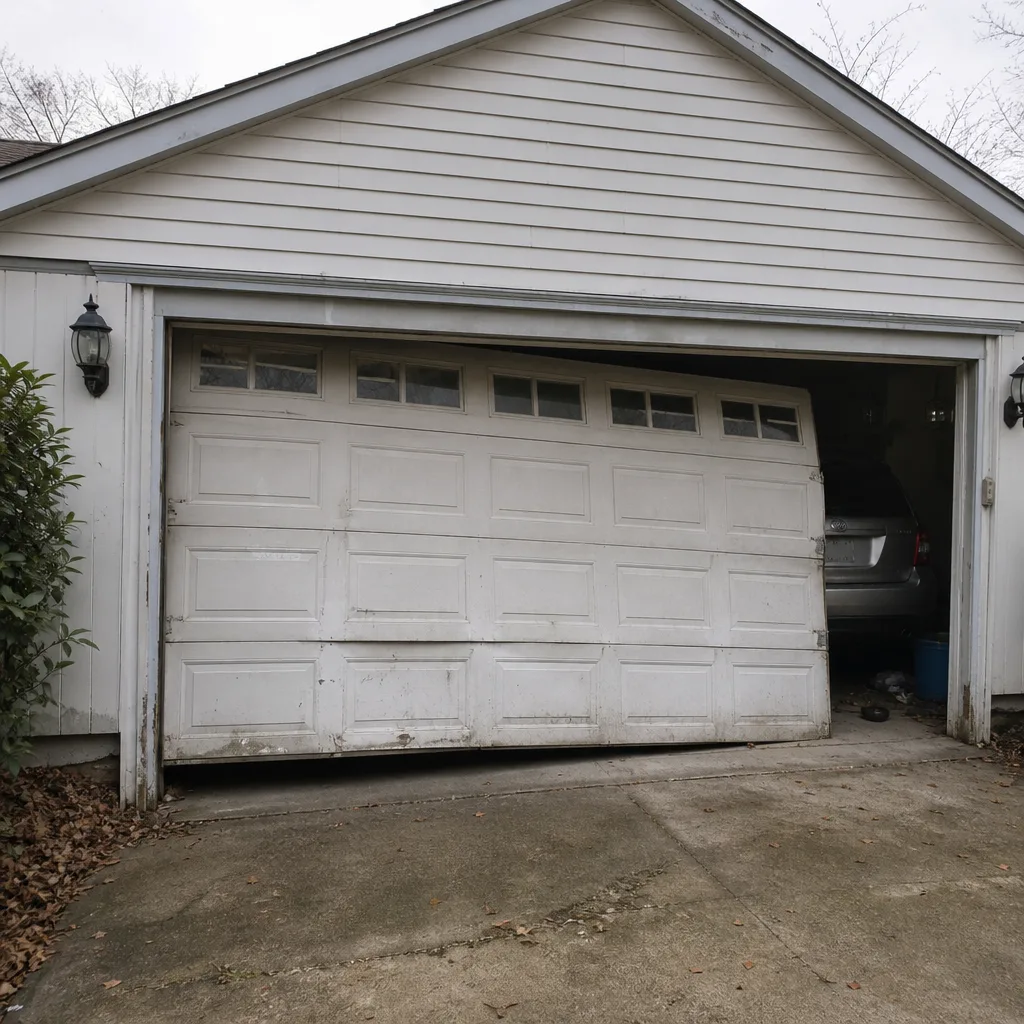 Before
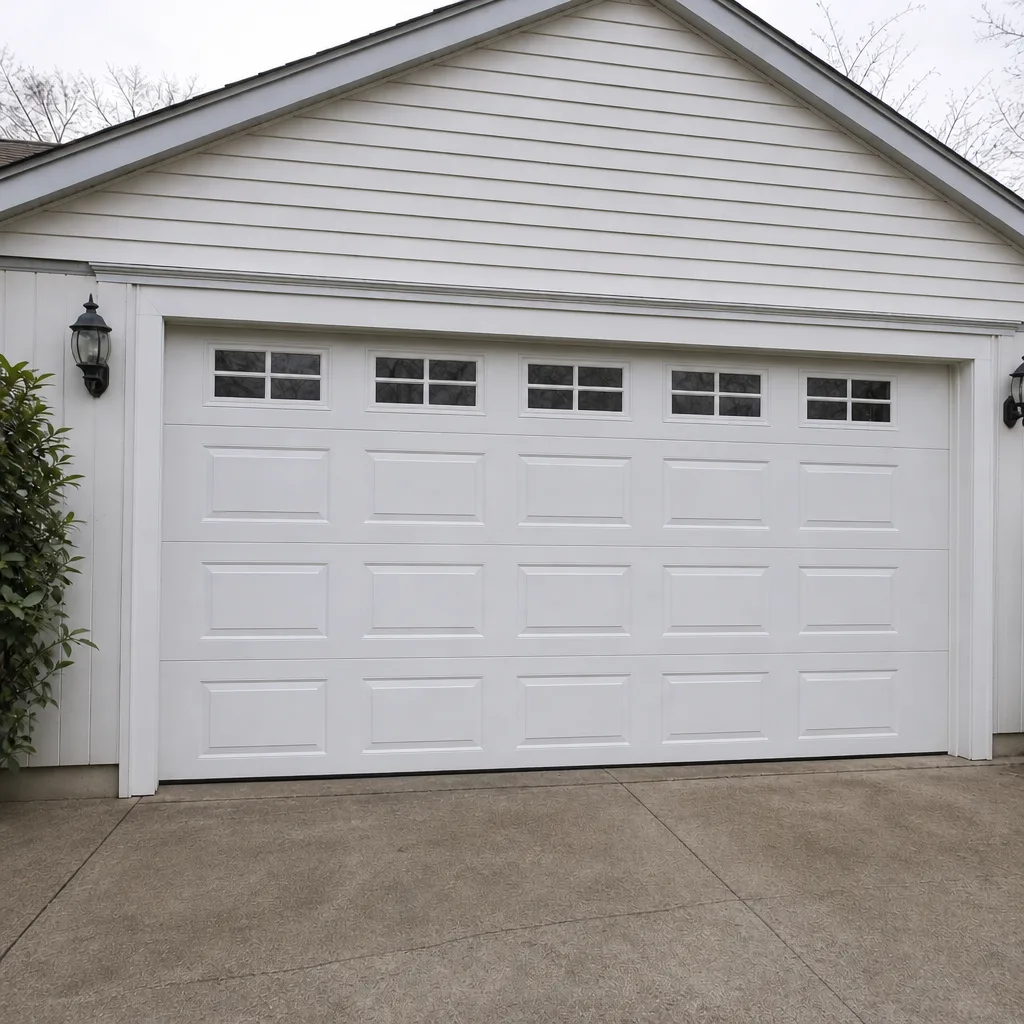 After
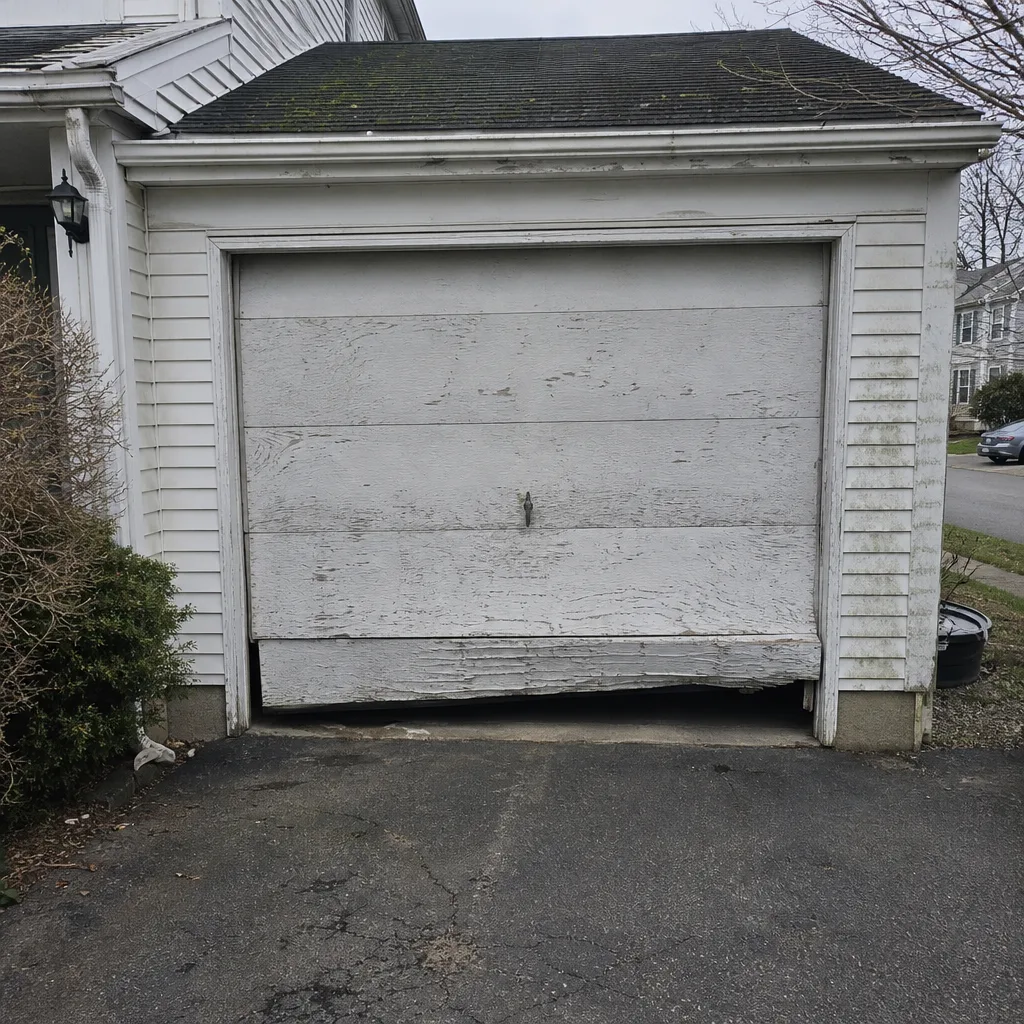 Before
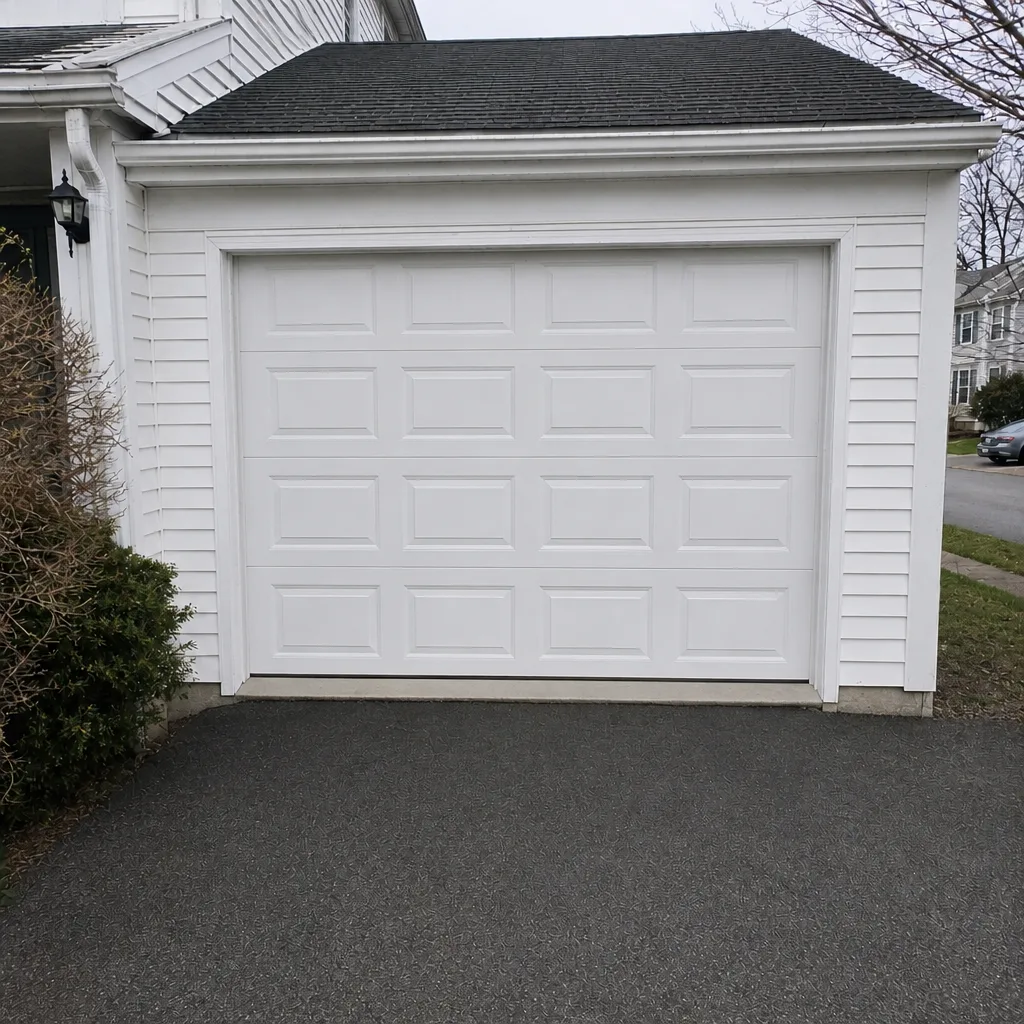 After
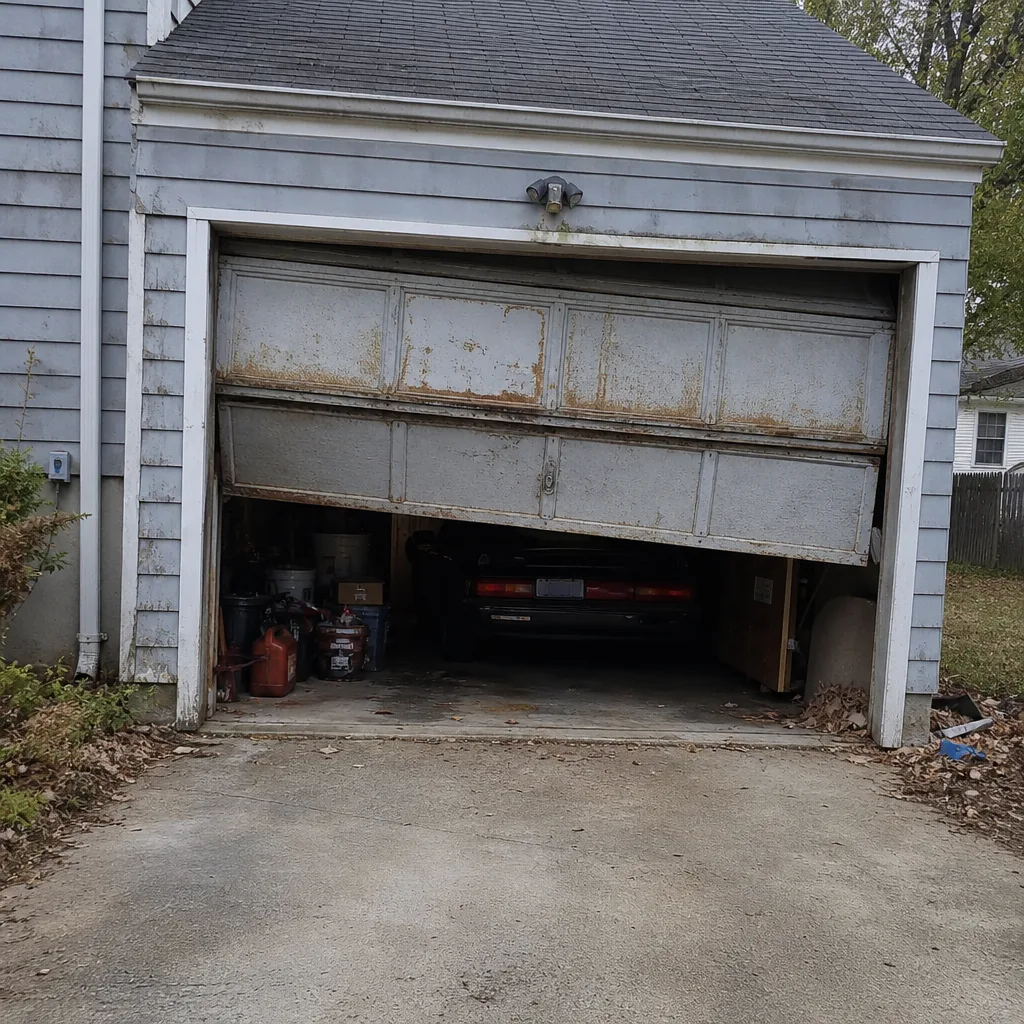 Before
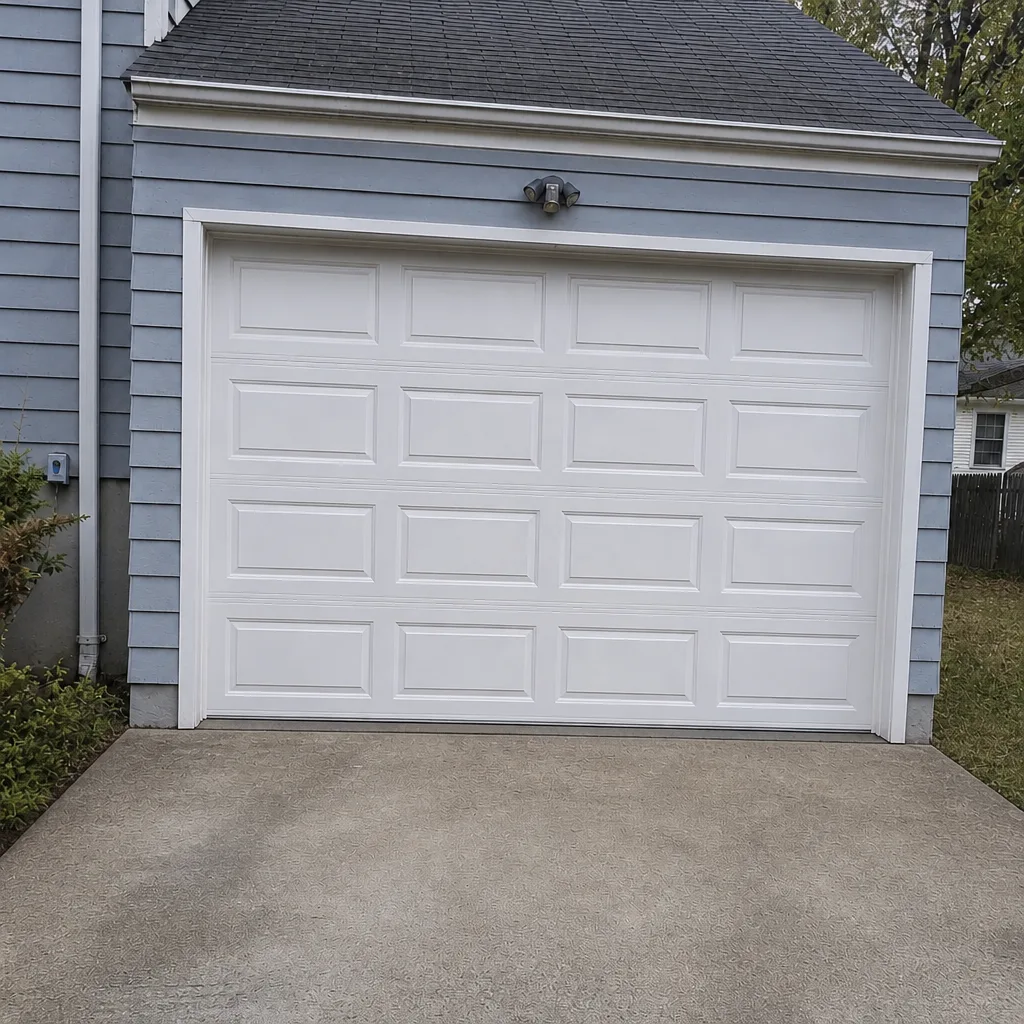 After
Frequently Asked Questions
Twice a year, at the start of fall and the start of spring, with a five-minute quick visual once a month. The balance test and the safety reverse test take a minute each, and they catch the two most common problems before they become expensive. Milford’s freeze-thaw winters and hot summers make the twice-yearly full inspection the right schedule. Call (855) 764-1660 for a scheduled inspection, and estimates are free.
Cold weather stiffens grease and shrinks the metal, so a marginally lubricated part squeaks when it’s cold and quiets when it warms up. The fix is proper lubrication on the hinges, rollers, and torsion bar ends before the cold season, not after. In Milford, we recommend doing the lubrication pass in late fall before the first hard freeze. Call (855) 764-1660 for a free estimate if the noise has come with a change in how the door moves.
No. Garage door springs are under extreme tension and are the most dangerous part of the system. Even a spring that looks relaxed can release enough force to break bones. Spring adjustment and replacement should always be done by a trained professional with the right winding tools. Call (855) 764-1660 and we’ll give you a free estimate for garage door spring repair.
Don’t. Running a door that’s off its track will bend the panels, damage the hinges, and can break the opener. If the car is trapped, we offer emergency garage door service and can be there to free it. Call (855) 764-1660.
Photograph the whole door inside and out, each spring close-up, each cable where it meets the drum, the data label on the inside of the bottom panel (which shows the brand, such as Clopay, Amarr, Wayne Dalton, or Craftsman), and the opener’s label. A short video of the door from closed to open captures the noise and travel pattern. Those photos get the right part on the first visit and preserve a warranty claim if one applies. Call (855) 764-1660 and we’ll walk you through what to send.
We’re closed on Saturday. Call us anyway and we’ll book you for Sunday so the door is back up and running as early as possible. A car trapped or a house that won’t secure waits for nobody, which is why Sunday booking is part of how we handle emergency calls. Call (855) 764-1660.
The Bottom Line
Your garage door tells you what’s going wrong before it fails. The balance test catches a failing spring. The lubrication check prevents the noise that turns into a seized bearing. The climate cues (rust on springs after a wet winter, cracking on the bottom seal after heat) keep you ahead of Milford’s seasonal wear. Run the full checklist twice a year, do the quick visual monthly, and trigger an unscheduled inspection after a power outage, a hard freeze, or a new noise. Document everything with photos. Leave the springs and cables to a trained professional, and the door stays up, the car stays out, and the repair stays small.
One call covers the full scope, from a broken spring to a door replacement. Whatever brand is on your home, we know the system.
Contact
Ready to get ahead of a problem or back up and running? Call Milford Garage Door Repair Pros at (855) 764-1660 for a free estimate. We work on your brand, we quote before any work starts, and we cover repair, opener repair, spring repair, and full garage door installation for Milford homeowners.
Written by the team at Milford Garage Door Repair Pros.