Last updated November 23, 2026
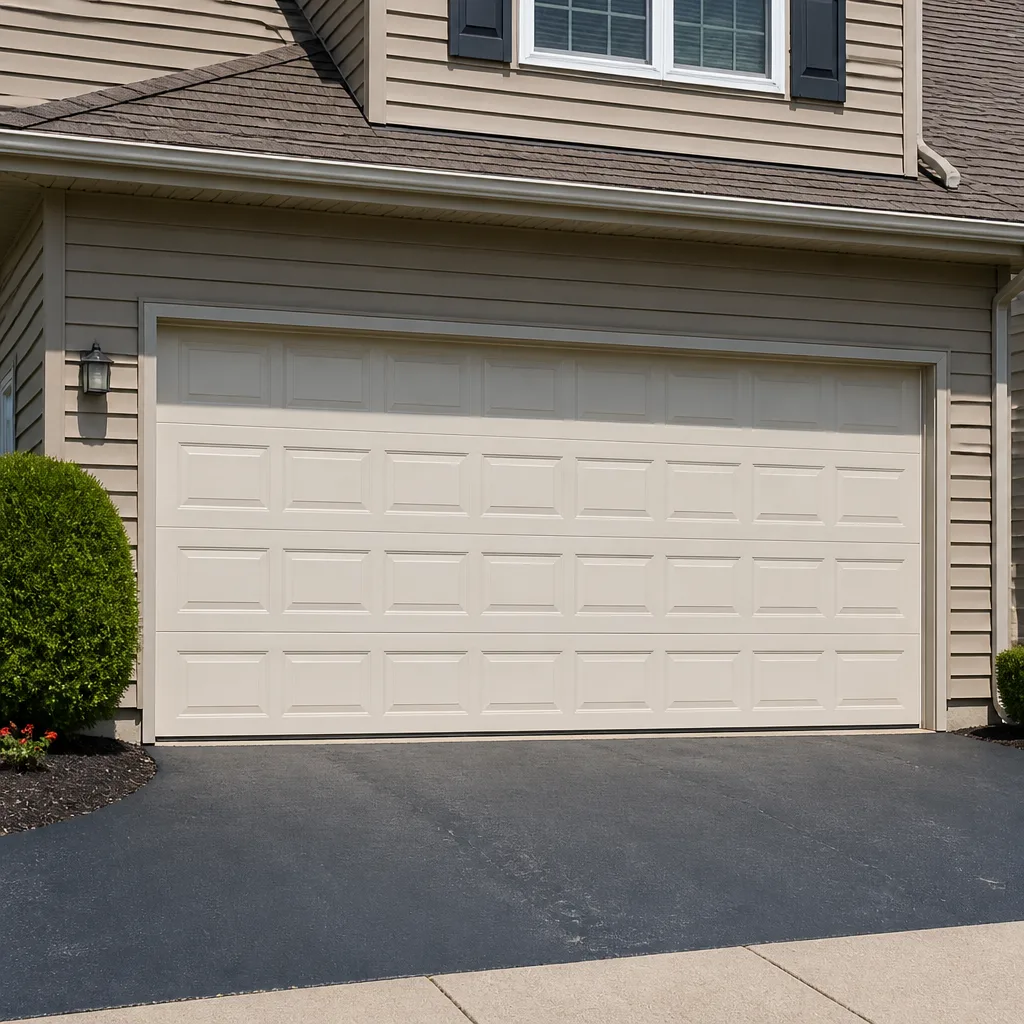 Raised-panel steel
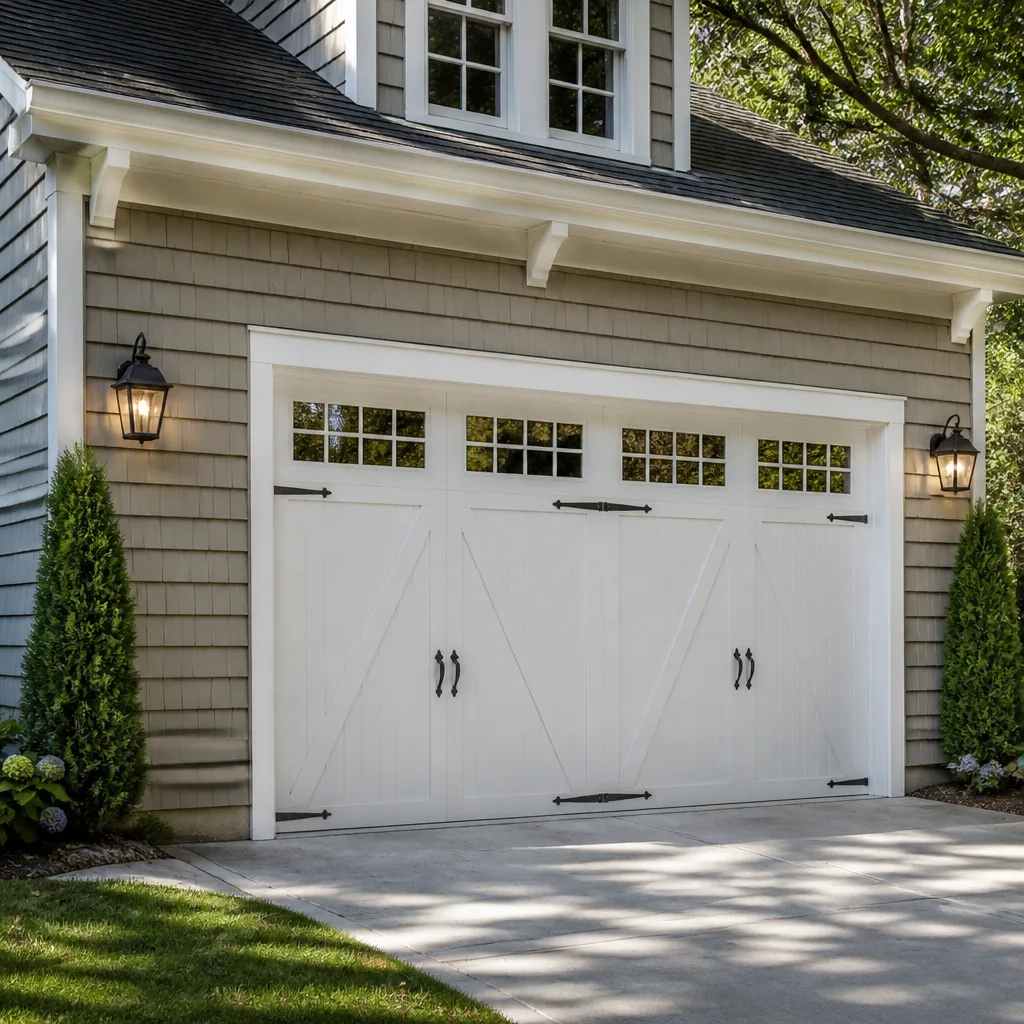 Carriage house
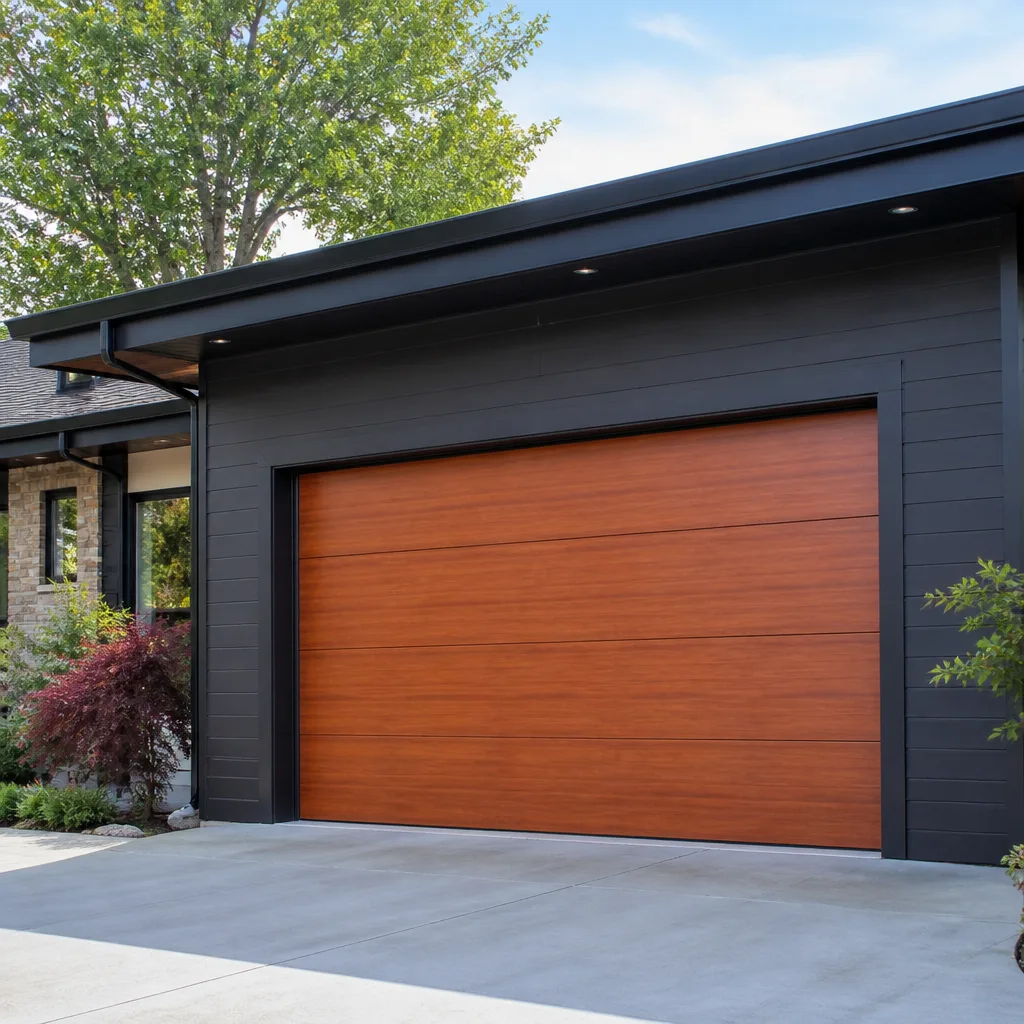 Modern flush
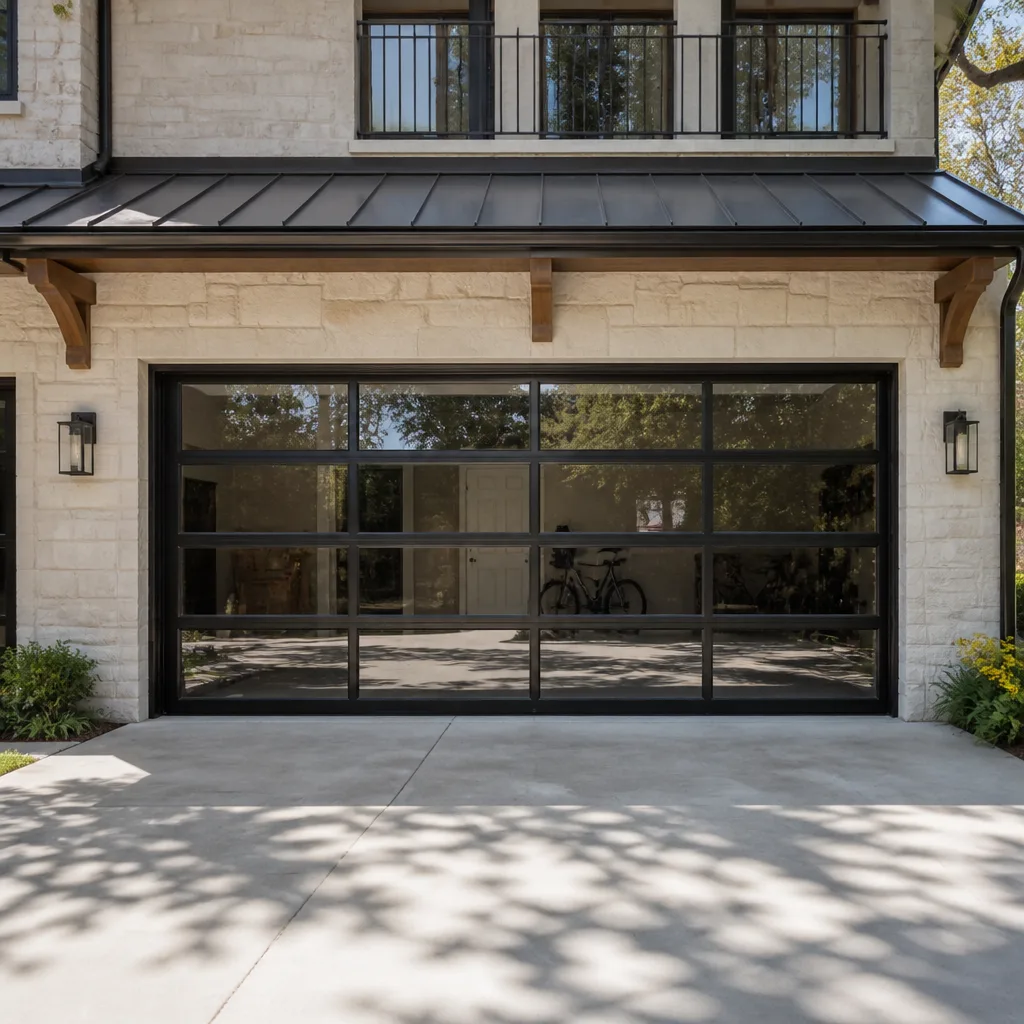 Full-view glass
 LiftMaster openers
 Chamberlain openers
Full 25-point door and opener safety check with every visit - springs, cables, rollers, tracks, and your LiftMaster or Chamberlain opener included
You get a price before we start. It does not change when the pro arrives.
Get your free estimateGarage Door Permits, Codes & Inspections in Milford, CT: What You Need to Know
Here’s the part most Milford homeowners don’t hear until it’s too late: replacing a garage door is not always treated as a simple repair, and a full door swap can require a building permit under the code Connecticut has adopted. Skip it, and the problem doesn’t surface when the door goes up. It surfaces years later, during a home sale or an insurance claim, when you’re chasing a retroactive permit under far worse conditions than if you’d filed it up front. This guide covers what actually triggers the requirement in Milford, how the application process works, what inspectors look for, and where the real line sits between a repair you can do without paperwork and an alteration that needs a permit.
Quick Answer
In Milford, CT, a like-for-like garage door repair (new springs, a new opener, a replacement panel, new rollers) generally doesn’t require a permit, but a full door replacement or a structural change to the opening usually does, because it falls under Connecticut’s adopted building code and local zoning review. The Milford Building Department is the authority that decides on your specific project, so the safe move is to confirm with them before work starts. A knowledgeable installer handles the application, the drawings, and the inspection scheduling for you.
Styles & brands we work with
- Raised-panel steel
- Carriage house
- Modern flush
- Full-view glass
- LiftMaster openers
- Chamberlain openers
Table of Contents
- Where repair ends and alteration begins in Milford
- Connecticut wind load requirements and Milford properties
- How to submit a garage door permit in Milford
- What inspectors actually check
- How unpermitted work shows up on a title search
- What your contractor should handle vs. you
- What garage door work costs in Milford
- Common mistakes to avoid
Where Repair Ends and Alteration Begins in Milford
The single most useful distinction for a Milford homeowner is repair versus alteration. Repair means putting the door back the way it was. Alteration means changing the door, the opening, or the structural framing around it. The first almost never needs a permit. The second often does. Getting clear on which side your project falls on saves you a phone call and, more importantly, protects you from a compliance problem down the line.
A full door replacement is the classic alteration. You’re removing a rated assembly and installing a new one, and the new door has to meet current code for wind resistance, safety features, and attachment. Changing the size of the opening, modifying the header, or reframing the rough opening are all alteration territory. So is converting a manual door to an opener in some cases, if it involves new electrical work. Pure repair stays on the other side of the line: swapping broken torsion springs, replacing a failed opener with a same-spec unit, changing rollers, cables, hinges, or a single damaged panel.
Here’s how the four common scenarios usually land:
- Broken spring or snapped cable: repair, no permit typically required. Our garage door spring repair covers this category daily.
- Opener replacement, same type: repair, no permit when no new circuits are added. See garage door opener repair for what’s involved.
- Single panel or section swap: usually repair, but replacement of a whole door face can edge into alteration depending on attachment.
- Full door replacement or opening modification: alteration, permit generally required.
Milford’s housing stock spans older capes and ranches near the downtown green out toward the Woodmont and Bayview neighborhoods, plus newer construction toward the Devon and Walnut Beach sides. Age alone doesn’t decide the permit question, but it does affect what an inspector looks for in the framing and header. We’ve handled the same straightforward-looking door swap on two houses in the same neighborhood where only one needed plan review, which is why confirming with the city first is the rule, not the exception.
Connecticut Wind Load Requirements and Milford Properties
Connecticut’s adopted building code includes wind load requirements that apply to garage doors, and they’re the reason a full replacement isn’t always a paperwork-free event. A garage door is a large, mostly unbraced opening on the windward face of the house. Under wind load, it’s one of the first things that can fail, and when it fails the pressure can lift the roof. That’s why the code cares about more than the door itself.
Milford sits along the Long Island Sound shoreline on the western side of New Haven County, and while this guide doesn’t get into coastal exposure classifications city by city, the practical takeaway matters: the door you install has to be rated for the wind pressure at your address. An inspector will look for documentation that the door and its attachment meet the wind load requirements for the location. That documentation typically comes from the manufacturer and the installer’s plan submittal.
What that means in practice:
- A door rated for a low-wind installation can be rejected at inspection if your property falls in a higher-wind zone.
- Heavier-duty hinges, reinforced struts, and proper bracket anchoring are part of meeting the rating, not optional add-ons.
- The manufacturer’s installation instructions are part of the permit package, not just a note on the box.
- Wind-rated doors are available in the brand lines we install, including Clopay, Amarr, Wayne Dalton, and Raynor, so the right rating doesn’t force you into a single product.
If you’re working with a garage door repair crew on a replacement, ask them to confirm the wind rating of the door they’re proposing against your address before the order is placed. That’s the point where a wrong-rated door becomes an expensive return.
How to Submit a Garage Door Permit in Milford
Submitting a permit application for a garage door in Milford is not complicated, but it does have a sequence, and doing it out of order is where projects stall. The Milford Building Department is the office that accepts the application, and the zoning office is where you confirm your project is a permitted use on your lot. The core steps look like this:
- Call the Milford Building Department and describe the project: full replacement, opening size change, or repair. Ask directly whether the scope requires a permit and whether plan review is triggered. Get the answer before you order a door.
- Confirm zoning. In nearly every residential case this is a formality, but confirm the door size and setback don’t bump into a zoning issue, especially on tight lots near the older neighborhoods.
- Gather the submittal package. That usually means a completed application, the contractor’s license information, manufacturer’s specs and installation instructions, drawings showing the rough opening and attachment details, and the wind load documentation.
- Pay the fee. Milford’s fee scale is set by the city and based on the valuation or scope of the work, so the exact number comes from the office, not a guess. Ask for it in writing.
- Get the permit issued before any work. This is the step homeowners skip when they’re in a hurry. Don’t.
- Schedule the inspection. After the door is installed, call for inspection. The inspector signs off, and the permit closes.
Timelines in Milford depend on current office workload and whether plan review is triggered. A repair-level project that needs no permit moves immediately. A full replacement typically runs days to a couple of weeks from application to permit issuance, then installation happens, then the inspection follows on the city’s schedule. Ask the Building Department for their current timeline when you call. The answer is the answer.
What Inspectors Actually Check
When an inspector arrives, they’re not looking for a beauty contest. They’re checking that the door you installed matches what you submitted, that it’s attached the way the manufacturer requires, and that the safety systems work. The list is consistent enough that any experienced installer knows what to expect. Here’s the short version of what they look at:
- Bracing and attachment. The door’s track brackets, jamb brackets, and center bearing plate have to be anchored into real framing, not just siding or drywall. Inspectors will push on brackets and check fastener penetration.
- Header clearance. There needs to be enough clearance above the door for the track radius and the opener rail. If the rough opening was too tight, the installer has to have addressed it before the door goes in.
- Opener mounting. The opener head has to be supported from the ceiling structure properly, the rail has to be level, and the safety reverse has to trigger under pressure. If you installed a LiftMaster, Chamberlain, or Genie unit, the inspector will test the reverse and the photo-eye alignment.
- Threshold seal compliance. The bottom seal has to meet the floor properly for weather and pest sealing. On a sloped apron, this sometimes means the installer adjusts the door’s closed position or the seal itself.
- Wind load documentation on file. The permit file should contain the manufacturer’s rating for your specific door model.
- Safety labels and features. Warning labels and the anti-entrapment system on modern openers must be present and functioning.
Our teams have walked into a lot of Milford garages where an unpermitted door had been installed and the safety reverse never worked because the opener’s travel limits drifted. That’s exactly the kind of thing the inspection is designed to catch, and it’s why we test the safety systems on every door we install, permit or not.
How Unpermitted Work Shows Up on a Title Search
Unpermitted garage door work doesn’t disappear. It sits quietly in the property records until a title search or an insurance adjuster finds it. The most common way it surfaces is during a home sale: the buyer’s title company runs a search, the search returns open permits or a mismatch between the recorded property description and the improvements, and the purchase contract stalls while the seller scrambles to remediate. The rest of the time it surfaces after a storm or damage claim, when the insurer questions whether the door that failed was installed to code and permitted.
Our experience with Milford homeowners is that the retroactive cleanup is always more expensive and more stressful than the original permit would have been.
The usual path back to compliance looks like this:
- The discovery. A title search or inspector flags the missing permit.
- The opening of a permit for existing work. The city allows you to file for work already done, but the review is stricter, and you may need to open finished walls to show the attachment and framing.
- Possible corrective work. If the door or its attachment doesn’t meet current code, it has to be brought up to it before the permit can close.
- Inspection and sign-off. Only after all of the above does the file close.
Compare that stack of steps to filing a permit before the door goes up, when review is straightforward and the door is accessible. The second path is both cheaper and faster. If you’re buying a Milford home with a newer-looking garage door, ask the seller for the permit documentation. It’s a fair question and a smart one.
What Your Contractor Should Handle vs. You
Who does what on the permit is the question that decides whether the process runs smoothly. In Milford, as in most of Connecticut, the license holder on the job pulls the permit and carries the responsibility for the work. That’s the contractor. You still play a role, but a limited one. Here’s the split we use with our own customers, and it’s a fair standard to hold any installer to.
- The contractor should: confirm the permit requirement, prepare and submit the application and drawings, provide the manufacturer’s specs and wind load documentation, pay the fee (usually rolled into the job price, agreed up front), meet the inspector on site, and close the permit after sign-off.
- You should: sign the application if the city requires the property owner’s signature, provide the property information (address, lot info, any prior permits on file), and confirm the estimate in writing before any work starts.
- Neither should: let work begin before the permit is issued. If a crew is ready to install before the permit is in hand, that’s a red flag, not a scheduling convenience.
At Milford Garage Door Repair Pros, the written estimate covers the full scope including the permit coordination, and the price is agreed before any work begins. We work across all the major brand systems you’ll find in Milford homes, including Raynor, LiftMaster, Chamberlain, and Genie, so a permit submitted on your door is a permit submitted by someone who knows how that door is installed.
What Garage Door Work Costs in Milford
Pricing on garage door work depends heavily on whether you’re in repair territory or alteration territory, and whether a permit is involved. The table below gives typical ranges for the common jobs we see across Milford, including what a permit tends to add. These are estimates; the written quote you receive after an on-site measure is the number that sets the final price.
| Job | Typical range | Permit usually? |
|---|---|---|
| Torsion spring replacement (one spring) | $180 – $340 | No |
| Matched spring pair (usually replaced together, so about twice one) | $360 – $680 | No |
| Opener replacement, same type (LiftMaster, Chamberlain, Genie) | $300 – $650 | No, unless new wiring |
| Single panel replacement | $250 – $600 | Usually no |
| Full door replacement, standard single door (Clopay, Amarr) | $1,200 – $2,800 | Yes |
| Full door replacement, double door | $2,200 – $4,500 | Yes |
| Permit fee add-on (city-set, varies with scope) | Set by Milford Building Department | N/A |
A note on the spring line: a single spring goes for the low end, and a matched pair costs about twice that, because both springs are usually replaced at once for balance and safety. The fee line for a permit comes from the city, not from us, and we pass it through at cost. If you’re comparing quotes across installers in Milford, ask whether the permit is included. A quote that leaves it out looks cheaper and isn’t. For the full picture on repair pricing including spring work, our garage door repair page breaks it down.
Common Mistakes to Avoid
We’ve been called into a lot of Milford garages to sort out problems that started as short-term shortcuts. These are the ones that come up most.
- Assuming a full door replacement never needs a permit. It usually does. Confirm with the Milford Building Department before you order the door, not after it’s hanging.
- Letting the installer start before the permit is issued. If the crew is “ready to go” the same day you ask about a permit, they’re skipping a step that belongs to you long-term. Wait for the permit.
- Ordering a door without confirming the wind rating. A well-meaning installer selling a door that isn’t rated for your property creates an inspection failure and a return. Check the rating against the address first.
- Assuming a spring or opener swap needs a permit. These are repairs. Filing for one when you don’t need it adds time for no reason. Call the city and get a straight answer.
- Doing it yourself. Garage door springs and torsion systems are the dangerous part of the system, and getting it wrong under a permit inspection or without one is a much bigger problem than calling a pro. This is not a DIY project.
- Buying a Milford home without checking the garage door permit history. Before closing, ask the seller for permits on any recent garage door work. If they can’t produce it, that’s a negotiating point and a future problem, not a detail.
- Trusting a handyman for a replacement. The permit, the drawings, and the wind load documentation are part of the job for a licensed garage door company. A generalist crew may not carry the license to pull the permit at all.
See the difference
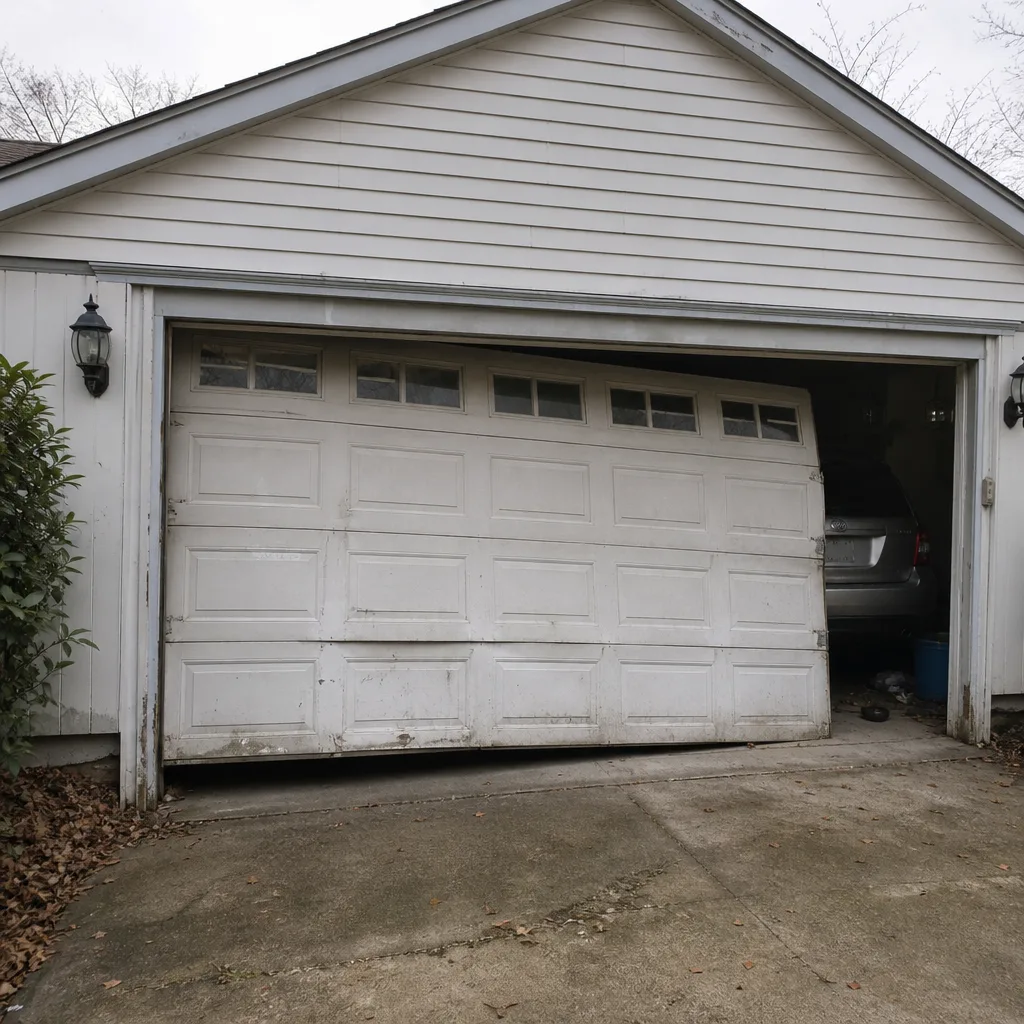 Before
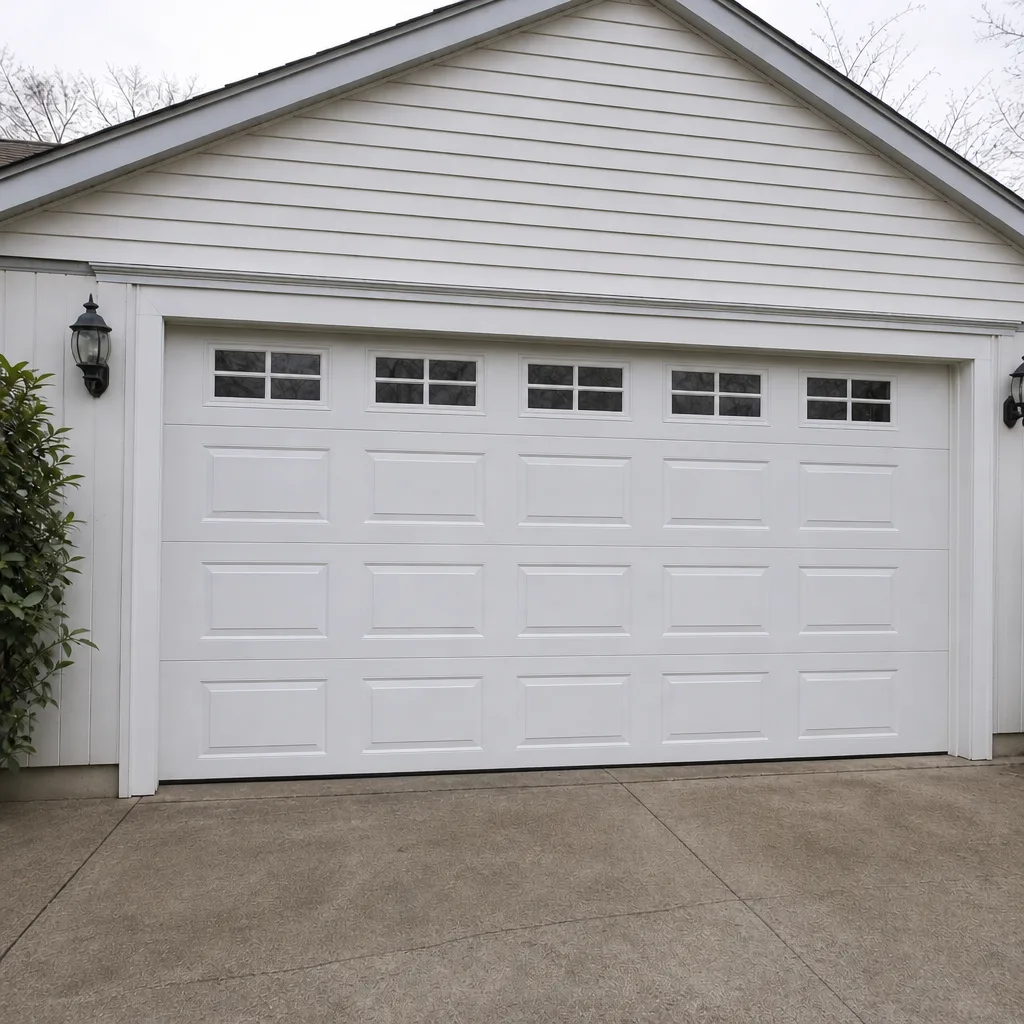 After
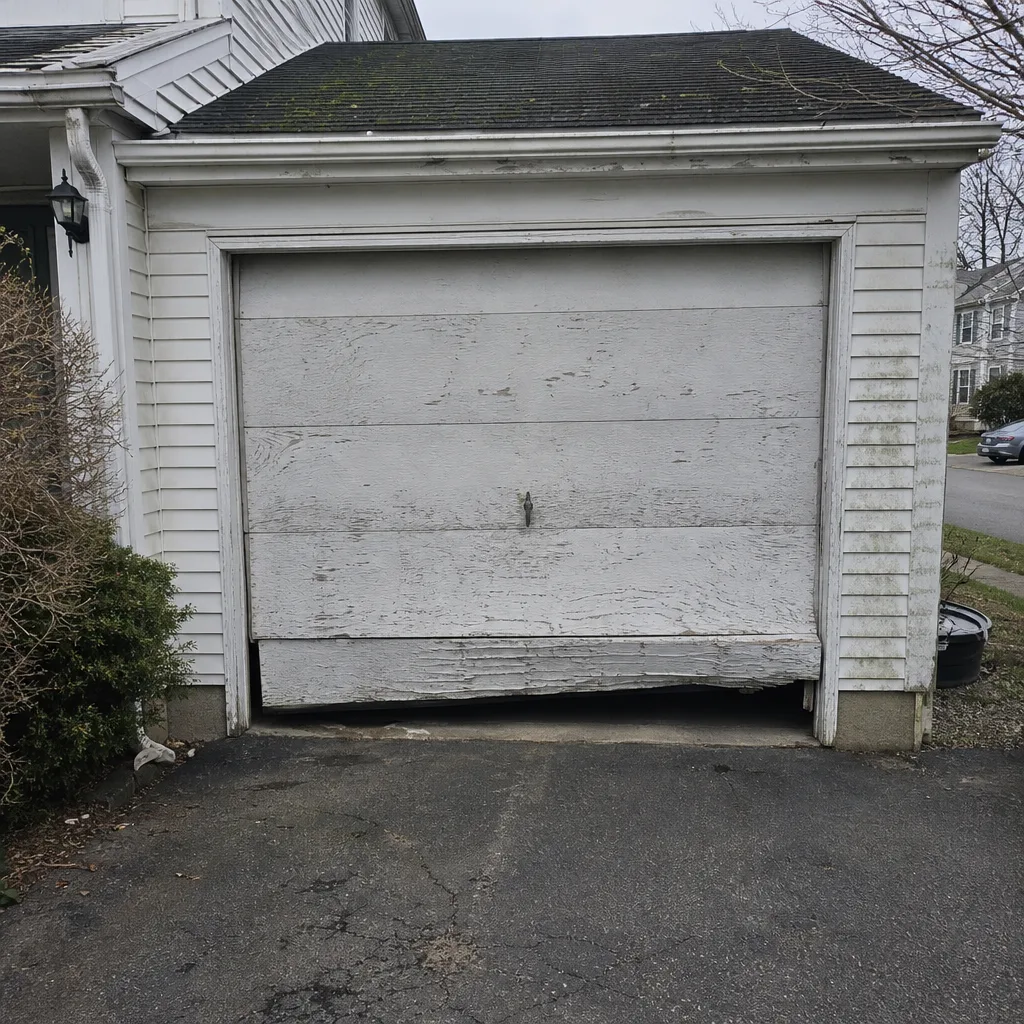 Before
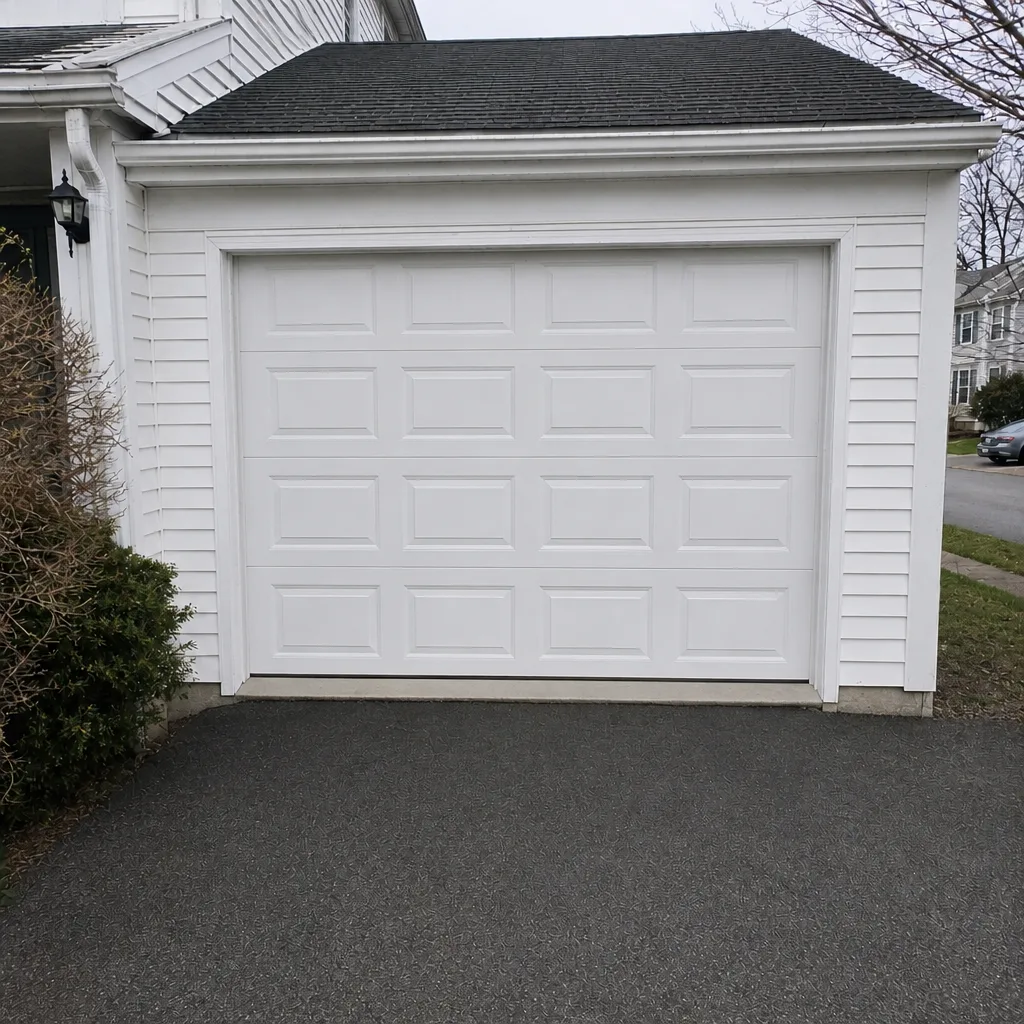 After
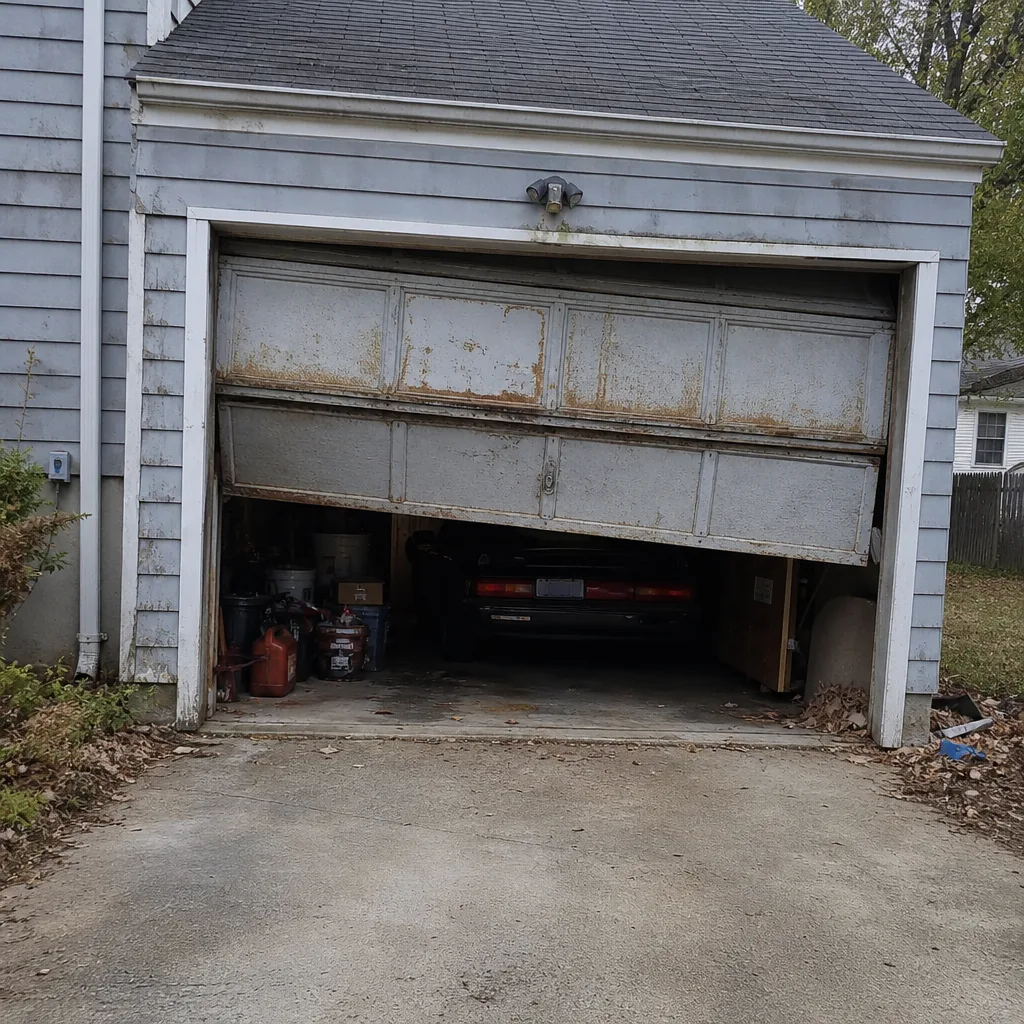 Before
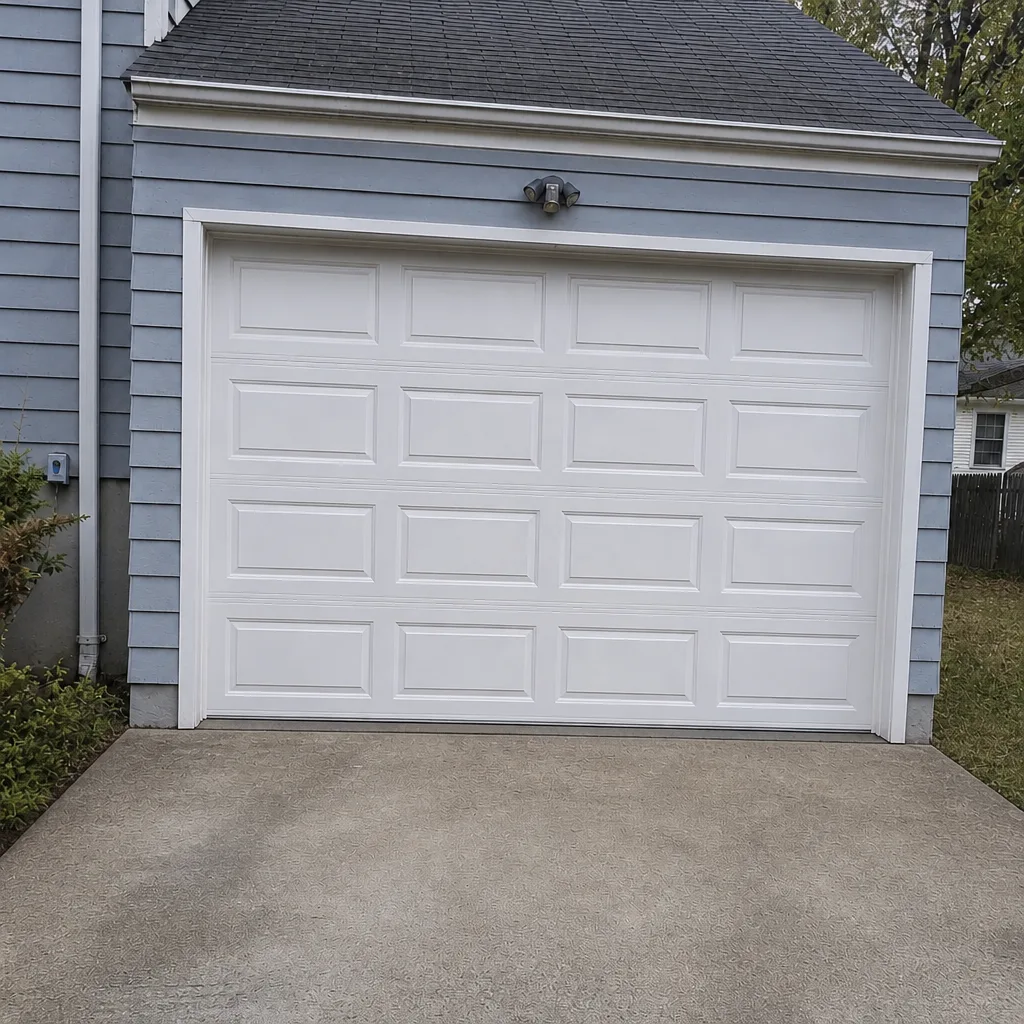 After
When to Call a Professional
If your door is off track, a spring has snapped, the opener has stopped, or the door has to be replaced or resized, that’s the point to call. Springs and cables are the most dangerous part of a garage door system, and we don’t recommend working on them yourself. The same goes for replacing a door under permit: the paperwork, the wind load documentation, and the inspection close-out are part of the work and belong with a licensed installer. Whether your system is a Raynor, LiftMaster, Chamberlain, or Genie, one call covers repair, opener work, spring work, and installation. Milford Garage Door Repair Pros offers free estimates in Milford, and if your door fails when other shops are closed, our emergency service is a standing capability, not an upsell. From a single broken spring to a full door replacement, one call covers it. Call (855) 764-1660 for a free estimate.
Frequently Asked Questions
Usually yes. A full garage door replacement or a change to the opening is treated as an alteration under Connecticut’s adopted building code and generally requires a permit through the Milford Building Department. A repair like a spring swap, opener replacement, or panel replacement typically doesn’t. Confirm with the Building Department before work starts, or have your installer confirm it for you. Call (855) 764-1660 for an exact quote on the work itself – estimates are free.
The permit fee is set by the Milford Building Department and based on the scope and valuation of the work, so the city’s number is the one that applies. A garage door replacement fee typically runs as a modest add-on to the door price, and a good installer includes it in the written quote. When we give you a price for a Milford replacement, that number is agreed before work begins. Call (855) 764-1660 for an exact quote – estimates are free.
The two most common places it surfaces are a home sale, when a title search flags the missing permit, and an insurance claim after storm or impact damage, when the insurer questions whether the door was installed to code. Remediating later usually means stricter review, opening finished work, and corrective repairs. Doing it right the first time is cheaper and faster. Call (855) 764-1660 if you’re trying to fix an unpermitted install – estimates are free.
No, if the scope you described matches what we find on site. We measure, we inspect the framing and opener, and the written estimate reflects the actual job including any permit coordination. That estimate is agreed before any work begins, so the invoice matches the quote. If something unexpected shows up, we discuss it with you first and get your approval before doing the work. Call (855) 764-1660 for an exact quote – estimates are free.
Often yes. A door that won’t close, has a snapped spring, or has fallen off track is exactly the sort of call our emergency service handles, and we’re available when other shops are closed. Keep the door down if you can, and don’t run the opener repeatedly. Call (855) 764-1660 and we’ll figure out the fastest realistic time for Milford. Estimates are free.
The local professionals we connect you with are licensed and insured as their state requires, and they work across the major brand systems you’ll find in Milford homes, from springs and openers to full door installation. Our technicians have up to 9 years of experience. If your project needs a permit, the license holder on the job pulls it. Call (855) 764-1660 for a free estimate.
The Bottom Line
In Milford, the permit question comes down to one distinction: repair doesn’t need one, alteration usually does. A spring swap, opener replacement, or panel replacement is a repair; a full door replacement or opening change is an alteration, and that’s where the Milford Building Department gets involved. The wind load requirements in Connecticut’s adopted code are the reason a replacement door has to be rated for your address, not just the one your neighbor picked. Skipping the permit is the risk you don’t feel until a title search flags it years later, and fixing it retroactively always costs more than filing correctly up front. When it’s the right call, a licensed installer handles the application, the drawings, and the inspection sign-off, so you don’t have to. Whether it’s a LiftMaster opener or a Clopay door, we know the system, and we can confirm the permit requirement for your specific Milford garage before the order is placed. Call (855) 764-1660, or visit Milford Garage Door Repair Pros to get started.
Written by the team at Milford Garage Door Repair Pros.