Last updated November 23, 2026
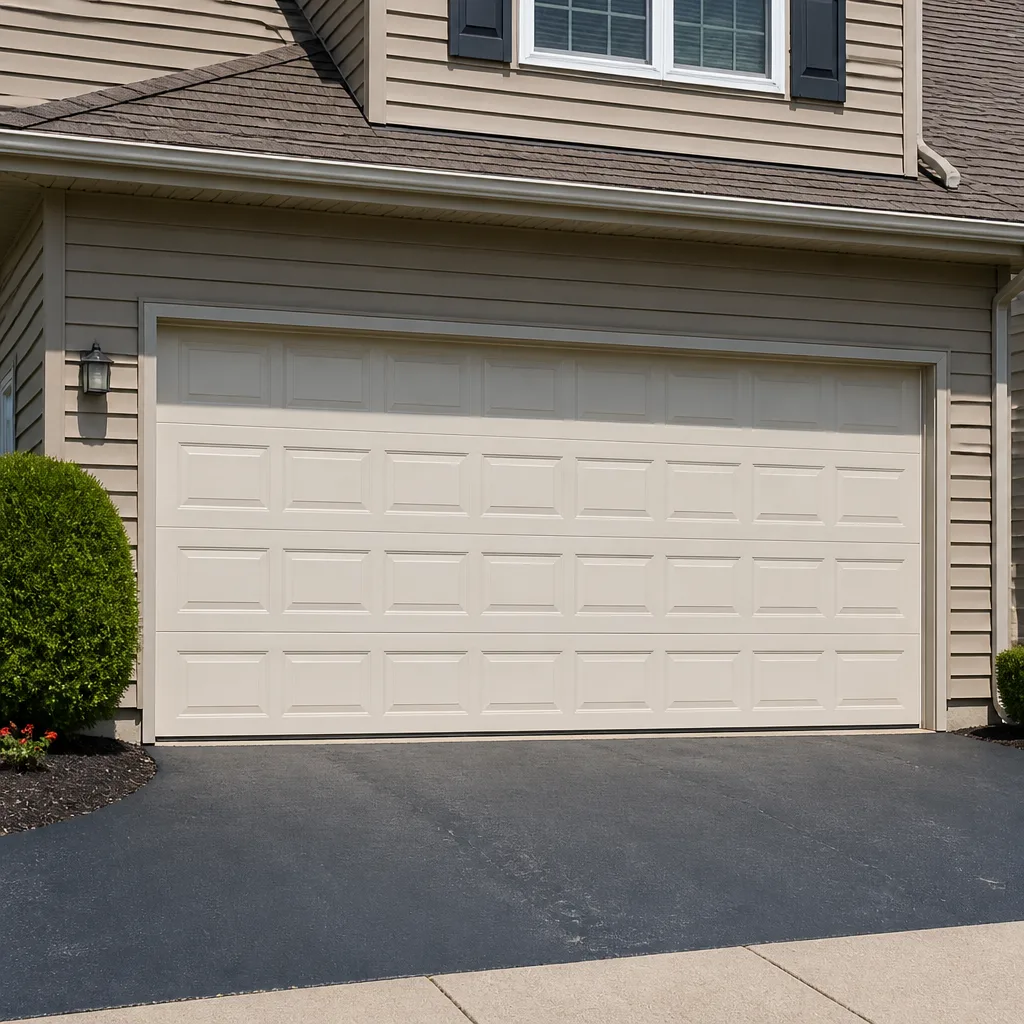 Raised-panel steel
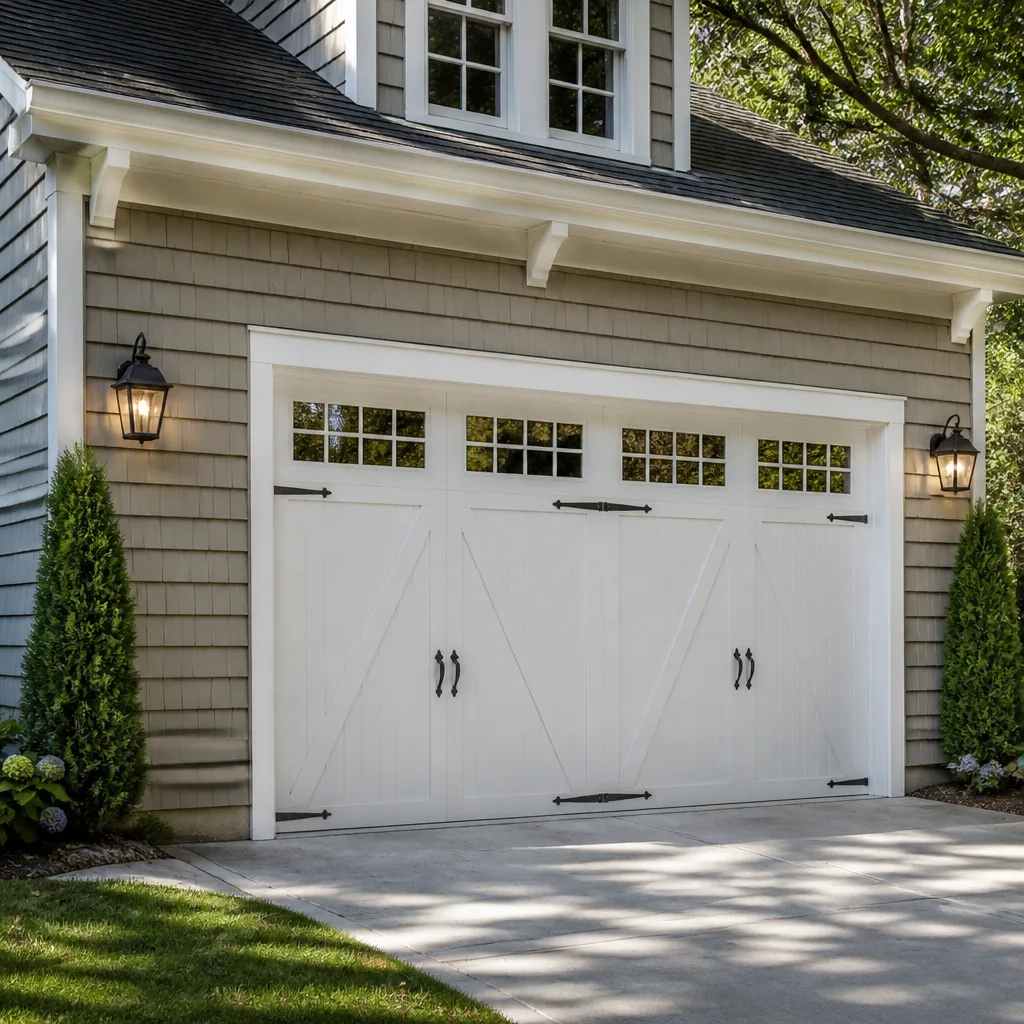 Carriage house
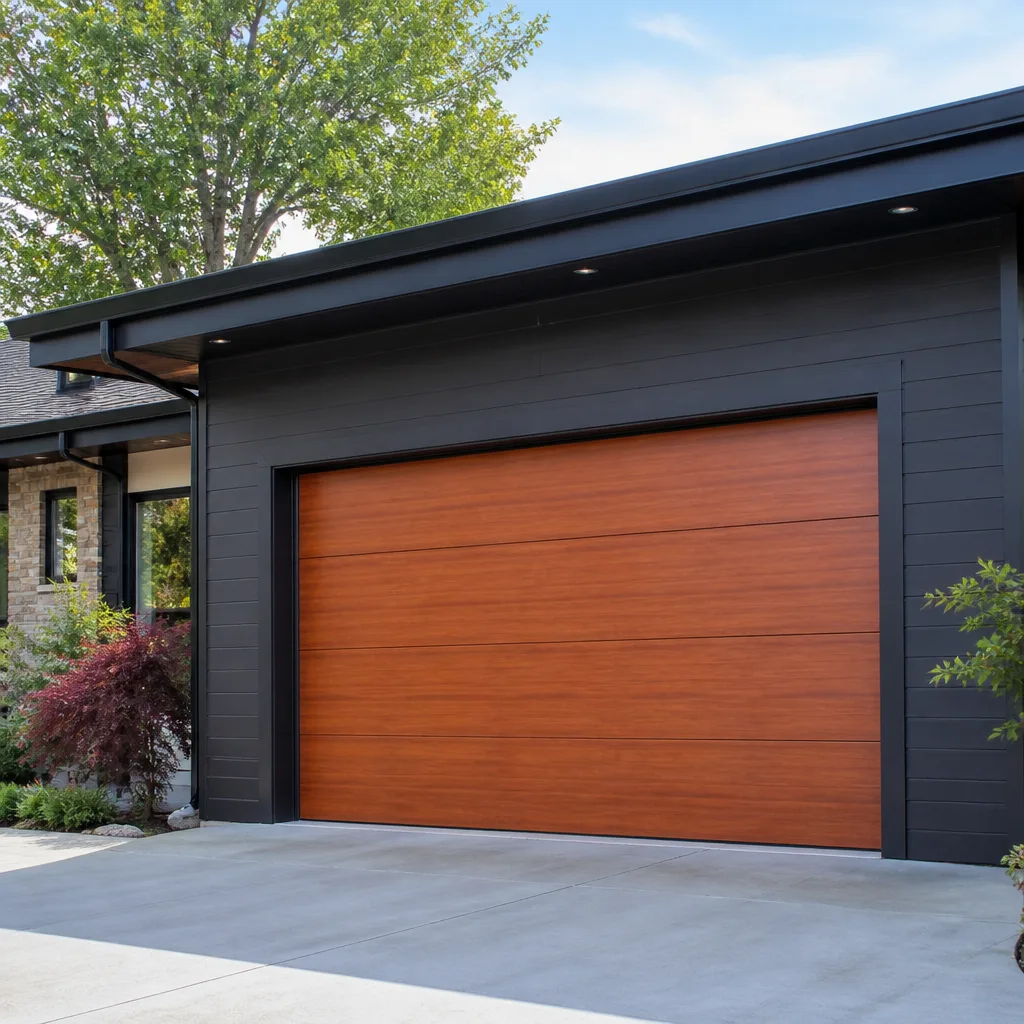 Modern flush
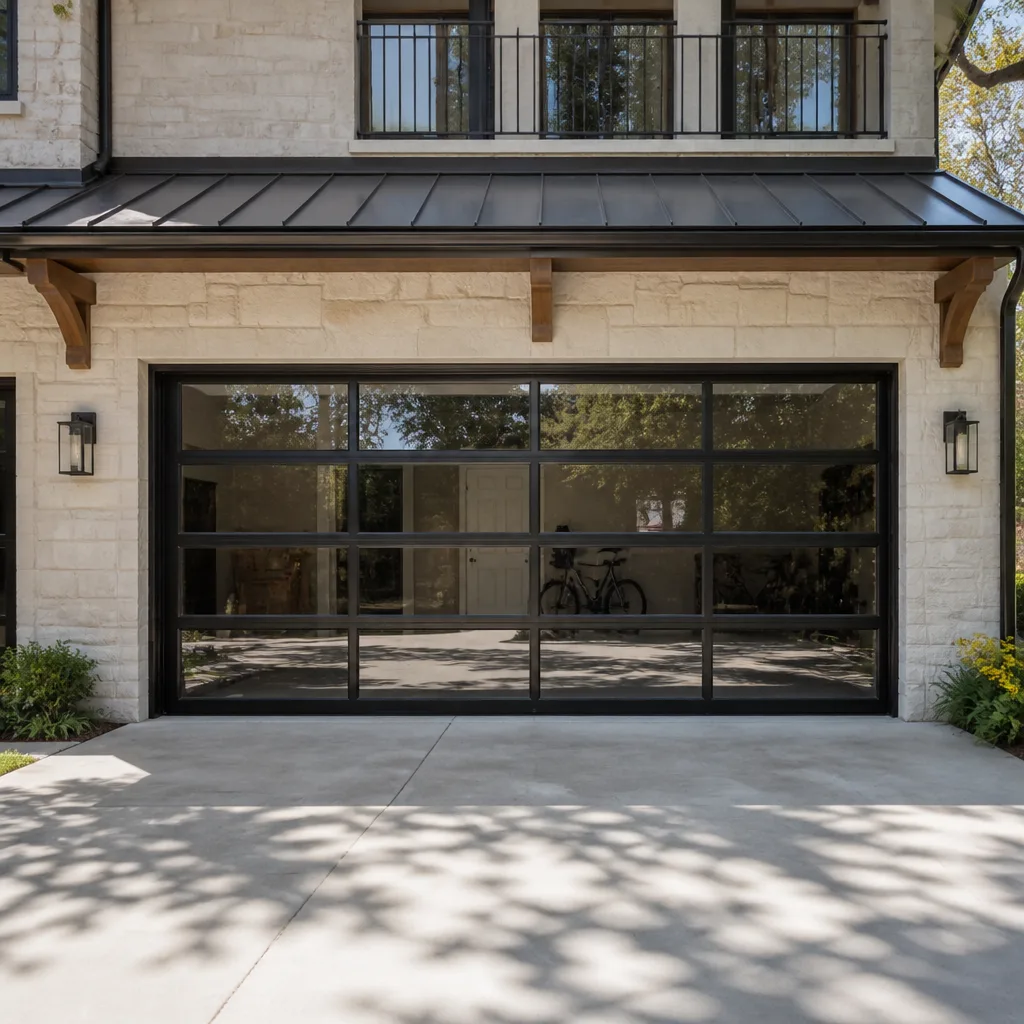 Full-view glass
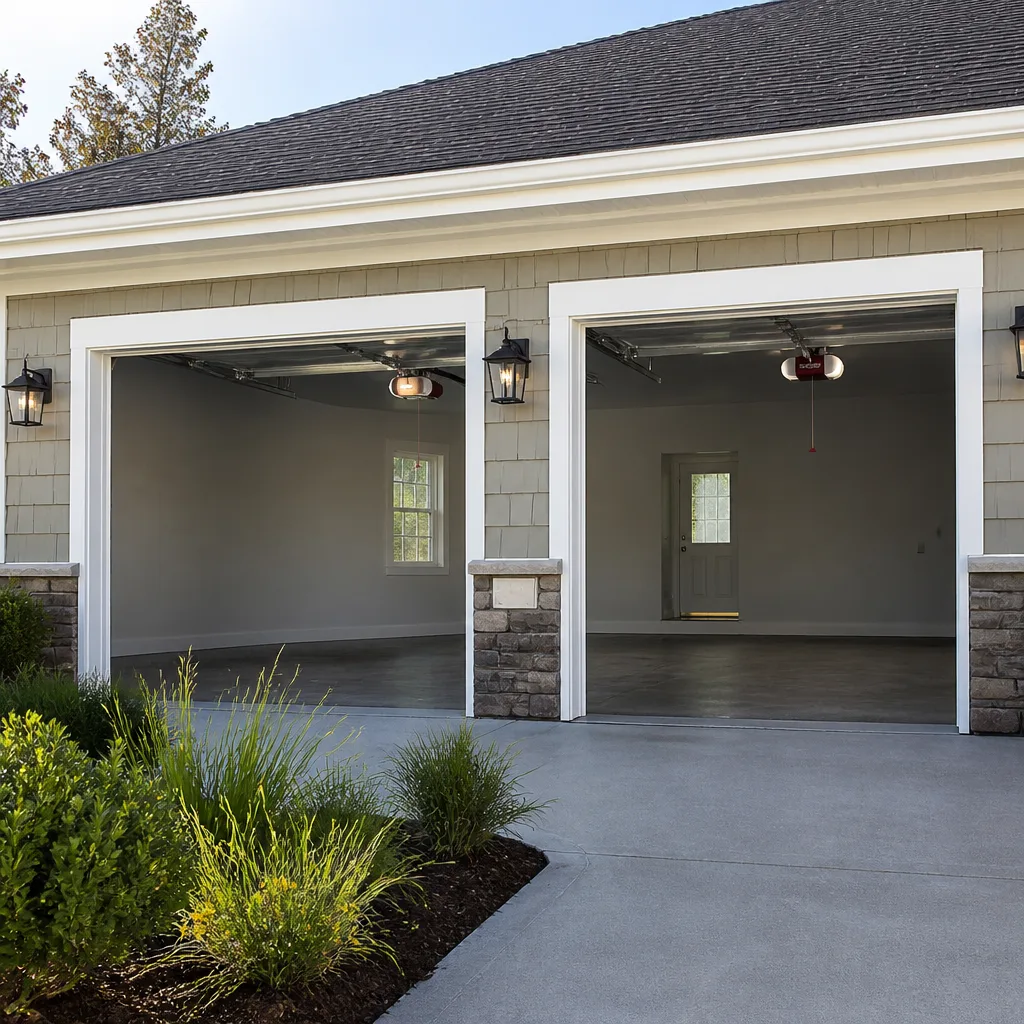 LiftMaster openers
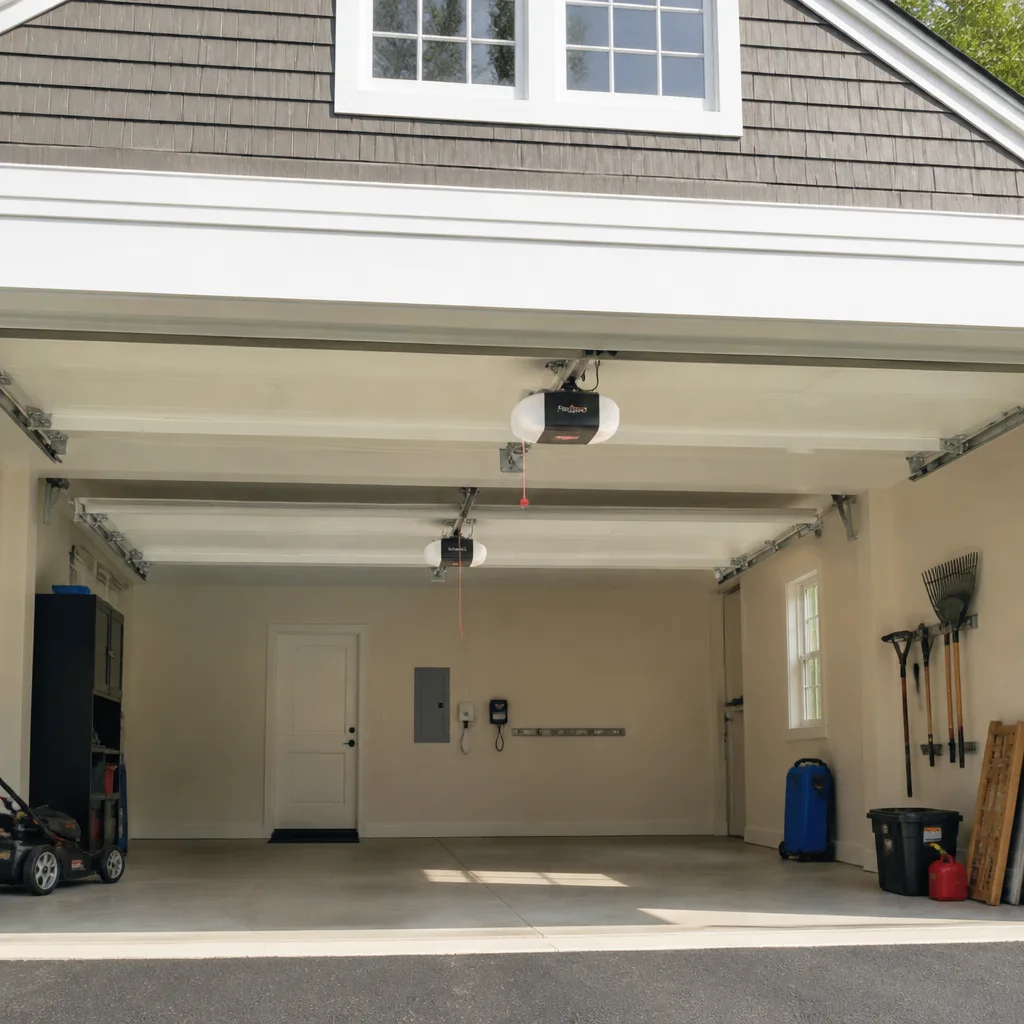 Chamberlain openers
Full 25-point door and opener safety check with every visit - springs, cables, rollers, tracks, and your LiftMaster or Chamberlain opener included
You get a price before we start. It does not change when the pro arrives.
Get your free estimateGarage Door Emergency Preparedness Guide for Milford Homes
Most garage door emergencies in Milford aren’t caused by the door breaking. They’re caused by the homeowner not knowing what to do once it does. The opener hums and nothing moves, or a spring lets go with a crack that sounds like a gunshot, and the first instinct is usually the wrong one: force the door, yank the cord, or call around for a price while the car sits trapped inside. This guide walks through the emergency scenarios that actually happen in Milford homes, from nor’easter wind load to a dead opener in the middle of a power outage, and gives you the exact sequence to follow for each. By the end you’ll know how your manual release works on the opener you own, how to secure a door with a broken spring, and when a door is too dangerous to touch.
Quick Answer
In a garage door emergency, your first move is to stop operating the door and secure it, not to fix it. If a spring has snapped or the door is off its track, keep everyone clear, close the door by hand only if it’s safe to do so, and call a technician. For a dead opener, use the manual release cord (usually red) to disconnect the carriage and lift the door by hand – but never do this on a door with a broken spring, because the door will be far too heavy and can crash. Milford Garage Door Repair Pros handles emergency garage door service, including after standard hours, at (855) 764-1660.
Styles & brands we work with
- Raised-panel steel
- Carriage house
- Modern flush
- Full-view glass
- LiftMaster openers
- Chamberlain openers
Table of Contents
- How to Operate the Manual Release on Your Milford Opener
- What to Do When a Spring Snaps Mid-Operation
- Nor’easter and Storm Prep for Milford Garage Doors
- Emergency Lockdown: Securing Your Door From the Inside
- Is a Storm-Damaged Door Safe to Operate?
- Power Outage Playbook for Milford Homes
- Common Mistakes to Avoid
- When to Call a Professional
How to Operate the Manual Release on Your Milford Opener
Every automatic garage door opener has a manual release, and on most models it’s a red cord with a handle hanging from the carriage assembly. Pulling it disconnects the door from the opener so you can move the door by hand. That’s the whole mechanism. The problem is that most homeowners have never touched it, and in a blackout, with a car trapped inside and no light, that’s a bad time to learn.
Here’s how to operate the release properly on the opener models we see most often in Milford homes:
- LiftMaster and Chamberlain: The release cord hangs from the trolley. Pull straight down and slightly toward the door once, firmly. Don’t yank repeatedly. The carriage should click free. Lift the door by hand slowly, then prop it fully open if you need to drive out.
- Genie: Similar cord-and-trolley setup, but some Genie units use a shorter release cord close to the rail. Find it, pull down and back, and listen for the disengage click before lifting.
- Craftsman: Craftsman openers use a standard release cord on the trolley. Pull down firmly. Older Craftsman units sometimes have a sticky carriage; if the first pull doesn’t release, pull again with steady pressure rather than a sharp jerk.
- Wayne Dalton: Release placement varies by opener model. Locate the cord, pull down, then lift the door slowly – Wayne Dalton doors can be heavy, so use a firm grip and let the door’s own spring tension help you.
- Raynor: Raynor openers typically use a trolley release cord as well. Pull down to disengage, then lift. If the door feels unusually heavy, stop and re-check that the carriage actually released.
If the release is frozen or jammed
This happens more than people expect, especially on openers that haven’t been serviced in years. If the cord won’t pull or the carriage won’t disengage, don’t force it. A jammed release usually means a stuck trolley or a bound carriage, and forcing it can damage the opener. Call us for garage door opener repair and we’ll get it moving. If you’re stuck right now with a car inside, tell us that when you call – we treat a trapped vehicle as an emergency.
One rule that saves a lot of grief: never pull the manual release on a door whose spring has already broken. The door will drop. On a door with intact springs, the manual release is safe to use.
What to Do When a Spring Snaps Mid-Operation
A snapping torsion spring is the loudest, most alarming failure a garage door can produce, and it’s also the most dangerous to handle with guesswork. The spring is what counterbalances the weight of the door. When it breaks, the door suddenly weighs what it actually weighs – often 150 to 250 pounds – and can come down hard. This is the single most important reason our garage door spring repair work gets treated as a safety-critical service, not a quick swap.
The exact sequence when a spring snaps
- Stop. Don’t touch the opener. Don’t press the button, don’t try to close it, don’t try to open it. The door is now uncontrolled.
- Keep people and pets clear. Get everyone away from the door path, including the area under the door and behind it.
- If the door is open and stays up: leave it. Don’t try to close it by hand. A door held open by a broken spring can be supported by only one remaining spring, and it’s not stable.
- If the door is closed: leave it closed. Secure the area and don’t force it.
- Block the car in mind, not in motion. If a car is trapped inside, do not drive through a door that is hanging unevenly. Wait for a technician.
- Call for emergency service. Tell whoever answers that a spring has snapped and whether a vehicle is trapped. That determines how we prioritize the call.
Springs are under extreme tension and one wrong move can cause serious injury, so we don’t walk you through DIY spring work here – we walk you through staying safe until we arrive. If you’re not sure whether the spring is the problem, look at the door: a door that opens a few inches and stops, or hangs crookedly, usually points to a spring. A door that’s dead but level usually points to the opener. Either way, garage door repair starts with a proper diagnosis, not a guess.
Nor’easter and Storm Prep for Milford Garage Doors
Milford sits right where nor’easters do their worst, and the garage door is the largest unbraced opening on most houses. Wind load matters here. A garage door is a sail, and if it fails during a storm, the pressure doesn’t stop at the door – it can push into the structure and let water and wind in behind it. Preparing before the storm is far easier than dealing with it after.
What to check before a nor’easter
- Test the balance. Disconnect the opener, lift the door halfway by hand, and let go. A balanced door stays put. A door that drifts down or up on its own is telling you a spring is weak, and a weak spring is more likely to fail under stress.
- Check the weather seal. A worn bottom seal lets wind-driven rain straight into the garage, and in Milford that’s a recipe for wet floors and damage to anything stored there.
- Inspect hinges, rollers, and tracks. Loose hinges or a bent track give wind a place to start prying. Tighten what’s loose and get bent tracks fixed before the storm, not after.
- Look for existing damage. A panel that’s already dented or a door that rattles in normal wind is a door that will struggle in a nor’easter.
- Know your opener. If the power goes, you need to know how to use the manual release – and you need to know it before it’s dark.
If the door is stuck open with a storm coming
This is a real emergency and it should be treated like one. If a storm is approaching and the door won’t close, call us immediately and tell us a storm is coming. We prioritize doors that are leaving a home exposed. If you can’t get a technician out fast enough, close the door manually if it’s safe to do so, and keep clear of the door path. Never block the door open with objects – that puts everything in the way of the door’s travel and turns a wind problem into a crushing problem.
If you’ve been putting off a worn door or a failing opener, storm season is the wrong time to find out. A pre-storm inspection is cheap next to a storm-damaged door. Call (855) 764-1660 to schedule one in Milford.
Emergency Lockdown: Securing Your Door From the Inside
When the opener fails and the power is out, the manual lock is your last line of defense. Most garage doors have either a slide bolt or a built-in lock handle, and many have both on older doors. That lock is what stops an intruder or a wind gust from pushing the door up once the opener is out of commission.
How to manually secure your door
- Close the door fully by hand, if the door is safe to close. If the spring has broken or the door is off track, don’t try to move it – secure the area instead.
- Engage the slide bolt. Most garage doors have a slide bolt on one or both sides of the door, near the bottom. Push it through into the track or the frame receiver.
- Engage the lock handle if equipped. Older doors often have a center lock handle. Turn it to lock the door in place.
- Add a secondary barrier if you have one. A car parked snugly against the inside of the door is a poor substitute but better than nothing if you can’t lock the door.
- Check from the outside. Walk around and push up on the door. It shouldn’t move more than the small amount of slack in the mechanism.
One caution: on a door with an automatic opener, the manual lock should not be engaged while the opener is in use. Engaging the lock and then running the opener can damage the door. If the opener is dead, the lock is exactly what it’s for. When we handle garage door repair in Milford, we check that the lock and opener aren’t fighting each other – it’s a common cause of opener failure.
Is a Storm-Damaged Door Safe to Operate?
No. A storm-damaged door should not be operated until a technician has looked at it. Bent panels, a warped frame, a track that’s been pushed out of alignment, or a door that’s been shifted by wind – any of these can turn a functioning door into a falling one, and an automatic opener will happily try to force the door into a position the door can’t handle.
What to check from a safe distance
- Look at the door’s line. Stand outside and look at the door’s edge. If the door is crooked, sagging, or sitting unevenly against the frame, don’t operate it.
- Look at the tracks. Tracks should be straight and parallel. A track that’s been bent or pushed out of position by wind or impact needs service.
- Look at the panels. Dents from flying debris are usually cosmetic, but a panel that’s buckled or separated from the door is a structural problem.
- Look at the spring. A broken spring is visible as a gap or a spring that’s dropped down its shaft. Don’t touch it. Don’t try to open the door.
- Listen. A door that groans, scrapes, or jumps when operated – even slightly – needs to be stopped and inspected.
The threshold for “do not use this door” is simple: if you see any visible damage, if the door doesn’t move smoothly by hand, or if the door feels unusual in any way, leave it alone. Don’t run the opener to test it. Call us for a diagnosis. We work on the brands that are common in Milford homes – LiftMaster, Chamberlain, Genie, Clopay, Amarr, Wayne Dalton, Craftsman, and Raynor – so whatever is on your door, we know the system. Call (855) 764-1660 for emergency service.
Power Outage Playbook for Milford Homes
Milford loses power in winter storms and summer thunderstorms often enough that every homeowner should have a garage door plan. The single most common emergency call we get during an outage is from a homeowner who can’t get a car out because they don’t know their opener has a manual release. The cord has been hanging there for years, and they’ve never used it.
Your step-by-step for an outage
- Confirm the problem is power. Check that the opener has power at the outlet, and check the breaker if other devices in the house are working.
- Find the release cord. It’s usually red and hangs from the opener’s carriage. If you’ve never touched it, find it now – it’s easier with a flashlight.
- Pull the cord to disengage the carriage. Firm, straight pull, listen for the click.
- Lift the door by hand. On a healthy door, it should lift easily – the springs do the heavy work. If it’s very heavy, stop, and check whether the spring has broken.
- Prop or lock the door as needed. If you need the door open for a while, prop it fully open. If you need it closed, close it and engage the manual lock.
- Re-engage when power returns. Once the power is back, push the release carriage back into engagement, or run the opener once with the door in its closed position to re-engage.
If your opener won’t re-engage or won’t respond after power returns, that’s an opener problem, not a power problem. Call us for garage door opener repair and we’ll diagnose it. Whether it’s a LiftMaster that lost its travel limits or a Craftsman that won’t re-learn the carriage, we’ve handled it.
Common Mistakes to Avoid
- Pulling the manual release on a door with a broken spring. The door will drop and can injure someone. If a spring has snapped, call us and leave the door alone.
- Running the opener “just to see” if the door is fixed. When a door is stuck or damaged, the opener is the tool that turns a small problem into a big one. Don’t cycle the door to test it – inspect it from a safe distance.
- Ignoring a door that’s sluggish in cold weather. In Milford, a door that’s stiff in January often means a weak spring, not a cold-weather quirk. That spring is a weak point all winter.
- Forcing a door that’s off track. Pushing a misaligned door back into position bends the track, bends the panel, and can snap a spring. Stop and call for garage door repair.
- Treating the manual lock as optional. If the opener is out, the manual lock is the only thing holding the door shut. Engage it every time.
- Leaving a storm-damaged door in service. A door that’s been hit by wind or debris needs an inspection before you use the opener. That inspection is cheap compared to a panel that fails mid-operation.
- Calling the cheapest quote instead of the one who knows your door. A spring repair done by someone who doesn’t know your brand is a spring repair that gets done twice. Ask who works on your door’s brand before you book.
See the difference
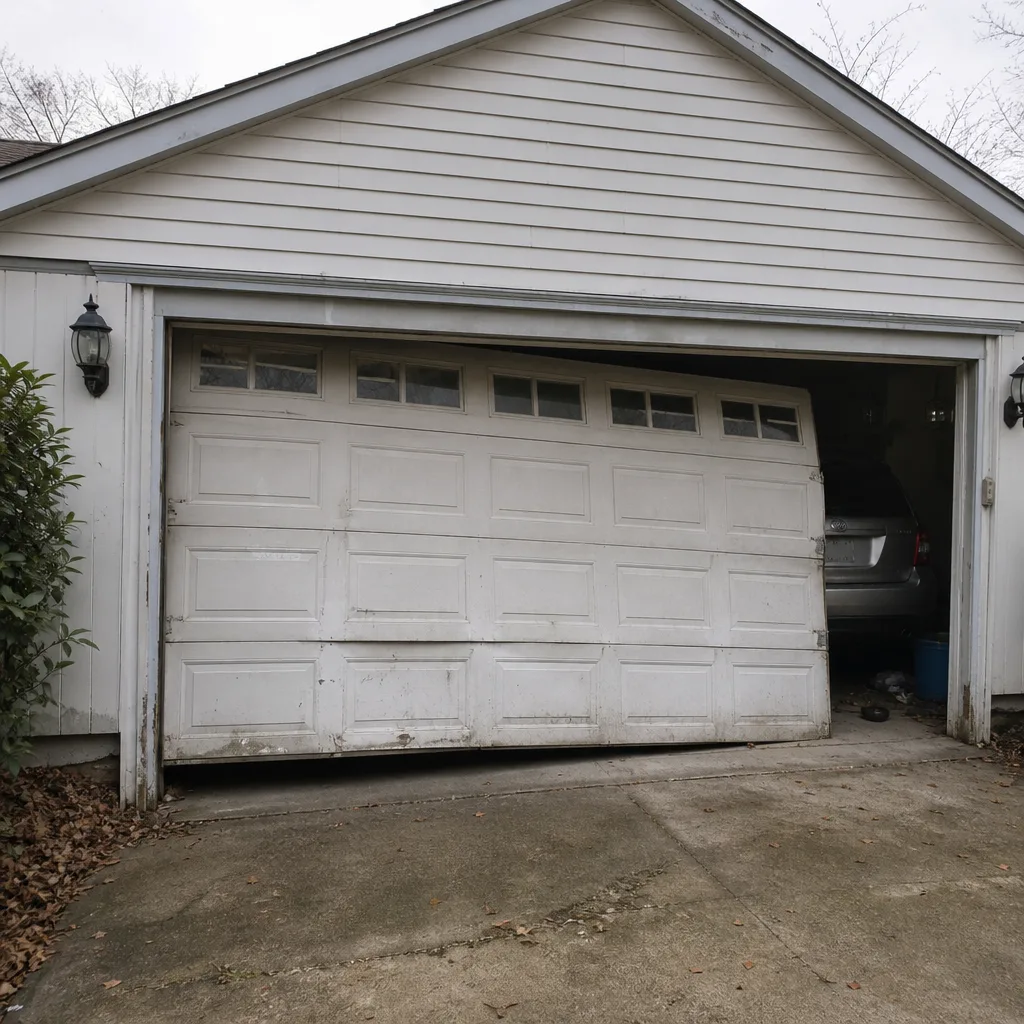 Before
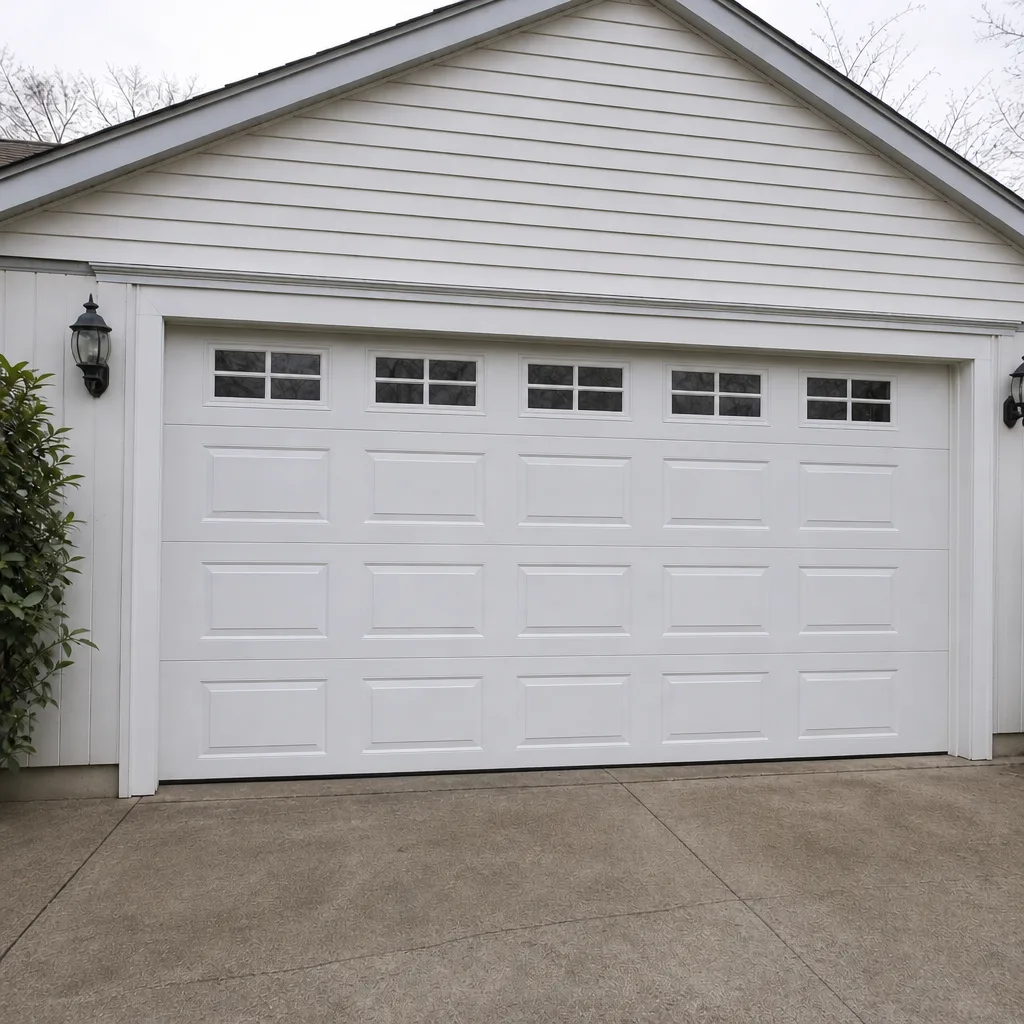 After
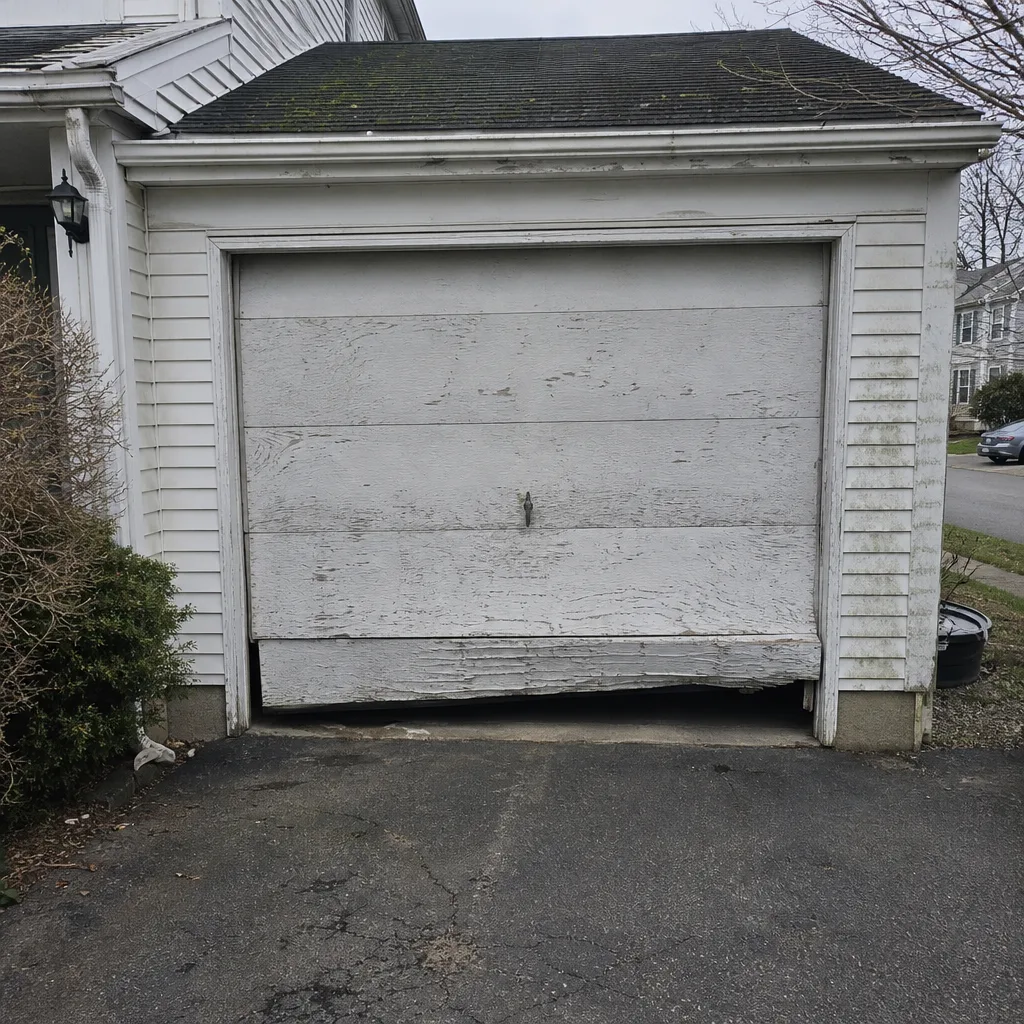 Before
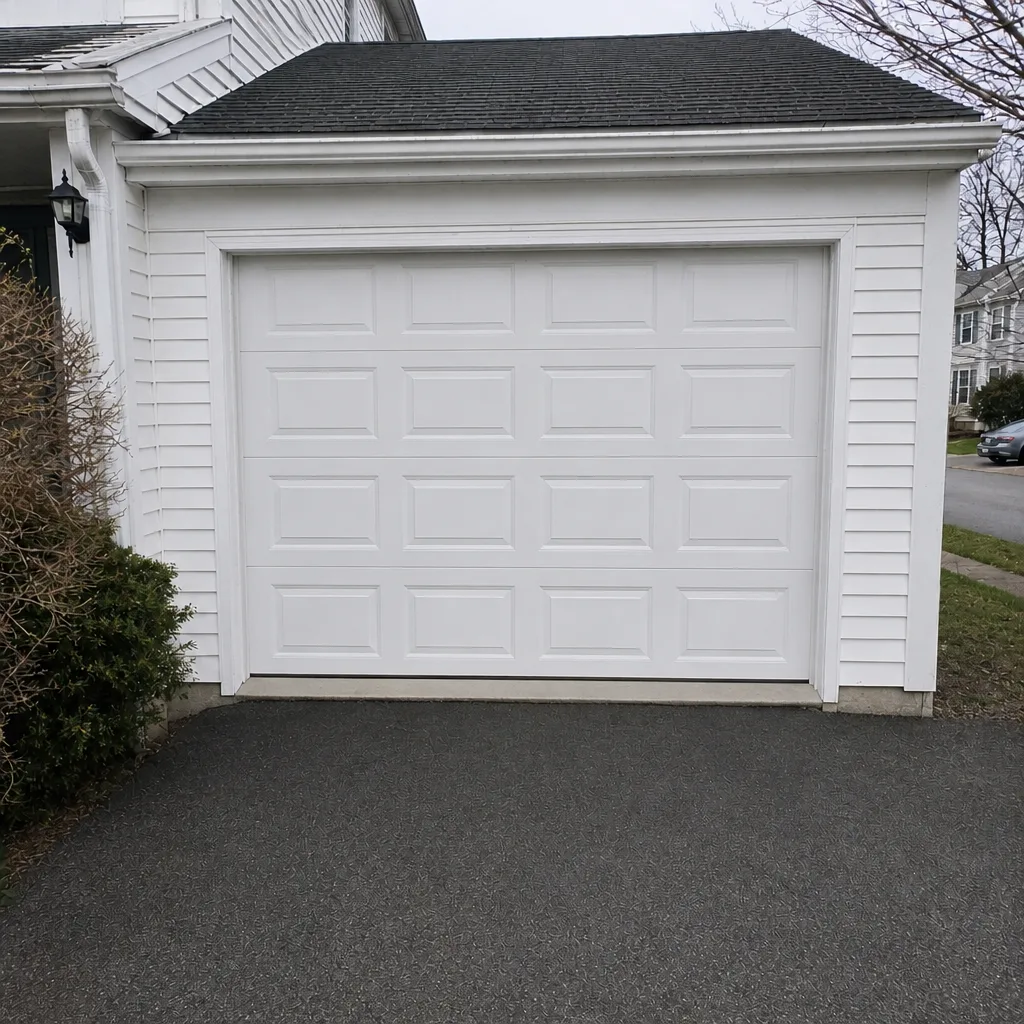 After
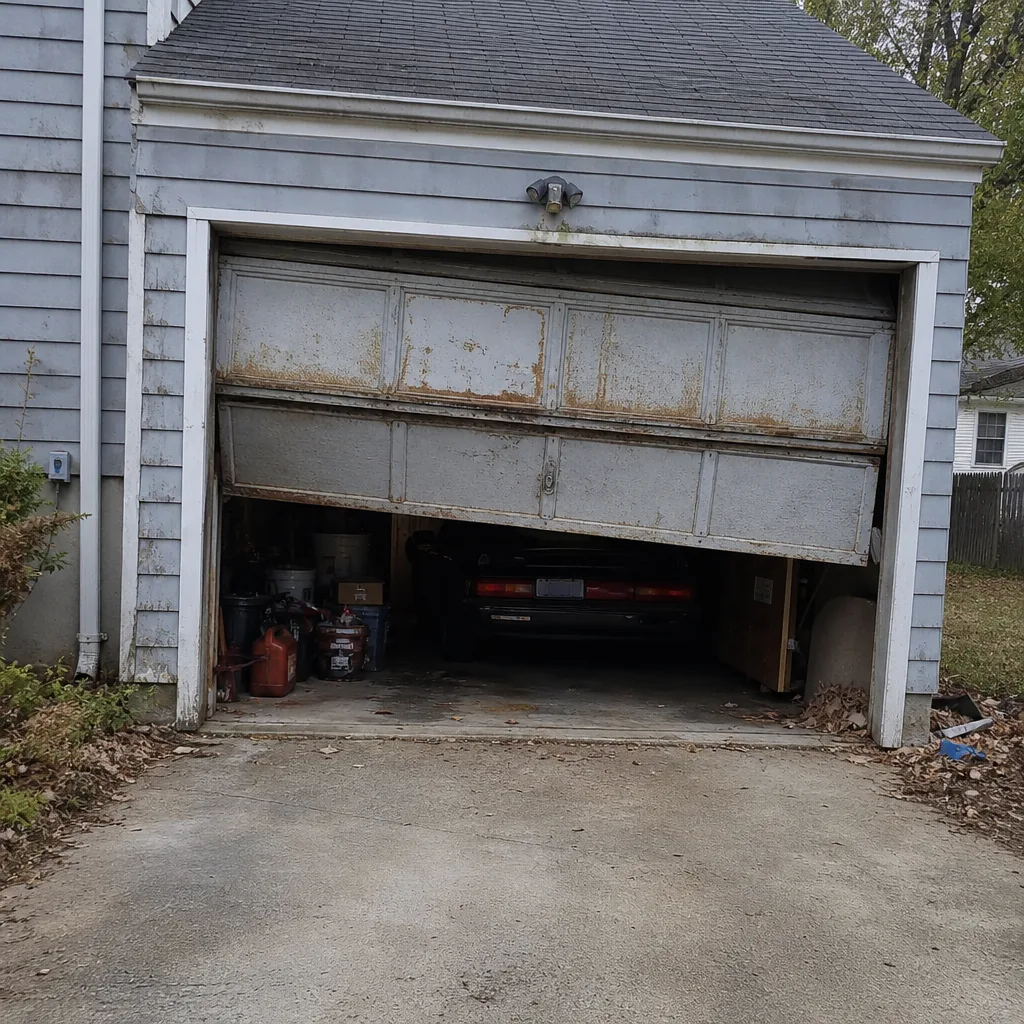 Before
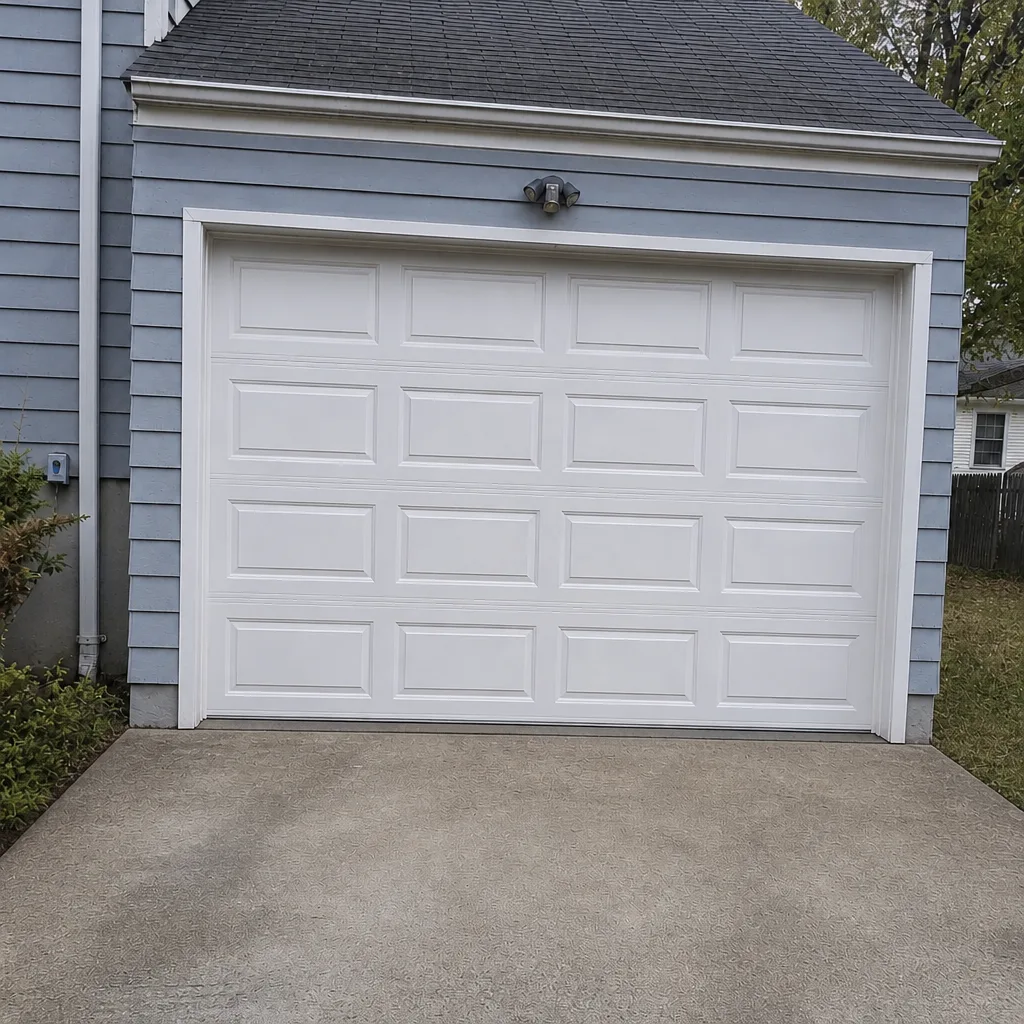 After
When to Call a Professional
Call a professional for any spring issue, any door that’s off its track, any storm damage that leaves the door crooked or stuck, any opener that won’t respond after power returns, and any door that feels heavy or unsafe to lift by hand. Springs are the most dangerous part of your garage door system – they’re under extreme tension, and the failure mode of a mistake is serious injury. Don’t work on them. Don’t try to adjust them. Call a technician. Milford Garage Door Repair Pros offers free estimates in Milford – call (855) 764-1660. We work on the major brands found in Milford garages and we handle emergency garage door service when a broken door leaves your home unsecured or your car trapped.
Frequently Asked Questions
Spring repair in Milford typically runs in the range of a few hundred dollars for a single spring, with a matched pair costing about twice that, and the exact price depends on the door, the spring, and access. Call (855) 764-1660 for an exact quote – estimates are free, and the price is agreed in writing before any work starts.
Yes – garage door emergencies are a standing service for us, not a standard-hours-only option. When a broken door leaves your home unsecured or your car trapped, call (855) 764-1660 and tell us the situation. We’ll book you as fast as we can.
No – the written estimate is the price. We diagnose, quote, and agree the price before any work starts. If we find something different once the door is open, we tell you before we touch it, so you’re never surprised by the invoice.
The local pro we connect you with is licensed and insured as their state requires. Our technicians have up to 9 years of experience, and they work on the major brands – LiftMaster, Chamberlain, Genie, Clopay, Amarr, Wayne Dalton, Craftsman, and Raynor – so you’re not getting a guess from someone who’s never seen your opener. Call (855) 764-1660.
Every modern opener has one, but it can be hidden, broken, or frozen in place. If you can’t find or operate it, don’t force it. Call us and describe the opener model, and we’ll talk you through what to look for or book an opener repair visit.
Close the door by hand if it’s safe to close, then engage the slide bolt and the manual lock handle. Check from the outside that the door doesn’t move. If the door has damage or a broken spring, don’t move it – call (855) 764-1660 and we’ll come secure it.
The Bottom Line
Garage door emergencies in Milford come down to a few basics. Know where your manual release is before you need it. Never pull that release on a door with a broken spring. When a spring snaps, stop, secure the area, and call. Storm prep is about the door’s balance, tracks, seals, and hinges – not just the opener. Storm-damaged doors don’t get operated until a technician inspects them. The manual lock is your last line of defense when the opener is dead. And when it’s beyond a safe home fix, which is most spring and storm damage, call a trained professional instead of a friend with tools. We’re Milford Garage Door Repair Pros – one call at (855) 764-1660 covers diagnosis, repair, and replacement, and it won’t cost you anything to get the estimate.
Written by the team at Milford Garage Door Repair Pros.